How to Choose an Aluminum Pergola With Canopy in 2026
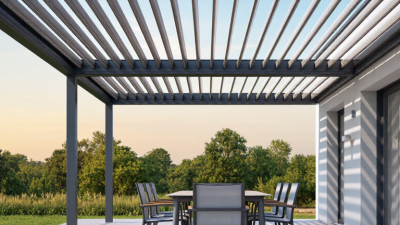
Choosing an Aluminum Pergola With Canopy in 2026 is about more than matching a frame to your patio. The right setup should suit your climate, available space, and everyday routines. Think about where the afternoon sun falls, how wind moves across your yard, and whether you want shade for meals or a quiet chair. Small details matter.
Start with the frame, canopy fabric, and adjustment method. Aluminum can offer a practical balance of low maintenance and outdoor durability, but construction quality varies. Check the frame’s dimensions, connections, finish, and stated wind guidance. For the canopy, compare fabric weight, UV protection, water resistance, and cleaning instructions. A retractable design can provide flexible shade, though its track and mechanism need room and occasional care. Simple is not always effortless.
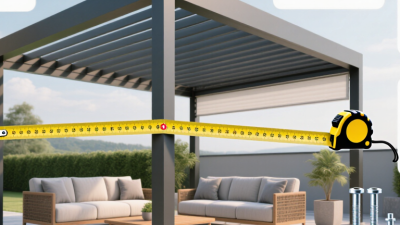
Measure the intended area, including space for doors, walkways, and furniture. Then consider installation requirements, drainage, and the manufacturer’s warranty. Product descriptions may use similar terms while offering different materials or limits, so verify specifications before buying. If your site is exposed, ask the seller or a qualified installer whether the model is appropriate for those conditions. Do not assume every pergola handles strong wind or heavy rain equally well.
This guide will help you compare features without treating the highest price as proof of quality. It will also point out trade-offs that are easy to miss in product photos. A canopy can make a patio more usable, but it cannot fix a poor layout. Choose for the space you actually have.
Identify Your Space, Climate, and Shade Requirements
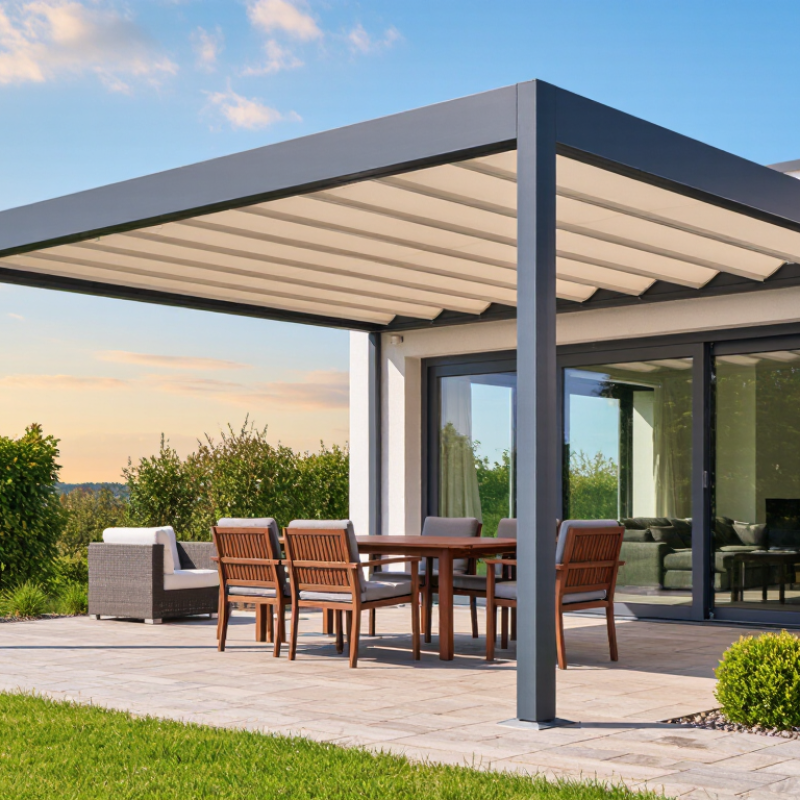
Before choosing an aluminum pergola with a canopy, measure the usable area, not just the patio outline. Leave room for chairs to slide back and doors to swing open. A tape measure and a quick chalk layout can reveal awkward corners. A patio can look generous on paper, yet feel cramped in use.
Then consider local weather and the direction of the sun. In hot, bright climates, adjustable or retractable fabric can help you shift shade through the day. For windy or rainy sites, check the canopy’s stated limits, drainage design, and frame anchoring requirements. Do not assume a canopy is storm-proof. If snow is common, confirm whether the fabric should be removed or retracted before winter, and follow the care instructions. Noon shade may not be enough; late-afternoon glare can still reach the seating area.
Match coverage to how you use the space. A dining table needs broad, even shade, while a lounge chair may benefit from partial cover and airflow. Note where shadows fall at breakfast and late afternoon over several days. That small check is more useful than guessing from a floor plan. Consider canopy color, too: darker fabric can reduce glare but may make the area feel warmer. Lighter fabric can brighten the patio, though dirt may show sooner. Trade-offs matter.
Compare Aluminum Frame Grades, Finishes, and Structural Design
When choosing an aluminum pergola with canopy in 2026, look beyond the advertised alloy number. Many architectural frames use 6063 aluminum because it suits shaped extrusions and clean edges. Some designs use 6061 for parts needing greater strength. Alloy alone tells only part of the story; temper, wall thickness, and engineering specifications matter too. Ask for the frame’s documented load ratings, not just a broad claim of durability.
Finish affects both appearance and upkeep. Powder coating offers a wide range of colors and a uniform surface, while anodizing creates a durable metallic look. Check that the coating covers corners and joints evenly. In salty or damp environments, rinse away residue and inspect fasteners regularly. Small details matter. A finish can look excellent in a showroom and still need care outdoors.
Structural design deserves close attention. Compare post dimensions, beam spans, connection plates, and the way the frame anchors to its base. A wide, unsupported beam may flex more than expected, especially with a moving canopy or collected rainwater. Look for clear guidance on drainage and site-specific wind or snow loads. I would not judge stability by a heavy-looking post alone; that shortcut is tempting, but it misses the joints. The canopy should slide smoothly without sagging, and its fabric should not trap water after a shower.
Choose Canopy Fabric, Retraction Type, and Weather Protection
Canopy fabric determines comfort, upkeep, and how much rain reaches the patio.
Solution-dyed acrylic resists fading; coated polyester often costs less but may feel warmer underneath. Check the fabric’s UV rating, water resistance, seam construction, and cleaning instructions—not just its color. The WHO’s Global Solar UV Index guide recommends sun protection at UV Index 3 or higher, so choose a canopy that provides reliable shade during your usual outdoor hours. Shade still shifts as the sun moves.
Retraction style matters just as much.
A manual crank is simple and avoids wiring; a motorized system is easier to adjust when the sun changes, but needs power and maintenance. Retractable canopies should usually be opened in calm conditions and stored before strong winds. For context, U.S. Department of Energy guidance reports that exterior awnings can reduce solar heat gain through south-facing windows by up to 65%, and west-facing windows by up to 77%. Those figures are not pergola performance ratings, but they show why sun direction matters.
Check local wind exposure and drainage, too. “Water-resistant” does not mean waterproof, and pooled rain can strain fabric and rails. The perfect setup is rare; match protection to your weather, then accept the trade-off between open sky and dependable cover.
Check Dimensions, Mounting Options, Wind Ratings, and Local Rules
Choosing an aluminum pergola with canopy in 2026 starts with measuring the space you actually use. Mark the patio’s edges, door swings, and walking paths with tape. Leave room for chairs to slide back without catching a post. Check the canopy’s open and closed dimensions, too; fabric may extend beyond the frame. Measure twice. A drawing can expose awkward corners that tape alone misses.
Mounting affects stability. A wall-mounted frame needs a suitable wall and properly placed anchors; siding alone may not provide enough support. Freestanding models need a level base and secure footings. Compare the product’s stated wind rating with typical local conditions, and check what that rating assumes. Is the canopy open or retracted? Are the posts anchored as specified? Those details matter. A rating is not a promise against every gust.
Before ordering, ask your local building department about permits, setbacks, height limits, and rules for attaching structures to a home. Requirements can vary by location and property type. Keep the installation guide and wind-rating documentation for reference. If the site is exposed or the mounting surface is uncertain, have a qualified installer assess it. It may feel like extra work, but guessing at anchors is a poor shortcut.
Compare Total Cost, Warranty, Maintenance, and Supplier Support
For an aluminum pergola with a canopy, compare the installed price, not just the frame’s sticker price. Ask for a written breakdown covering the canopy fabric, delivery, anchoring, installation, drainage details, and replacement parts. A low quote can omit concrete footings or custom mounting hardware. Those omissions matter.
Warranty terms deserve a close read. Check whether coverage includes fading, corrosion, moving parts, and labor, and note any exclusions for wind or snow. A long frame warranty may say little about the retractable canopy. Ask who handles claims and how quickly parts usually ship. Get the answer in writing.
Maintenance affects the real cost over time. Ask how often the canopy needs cleaning, whether it must be removed before severe weather, and whether replacement fabric is available separately. The Aluminum Association reports that nearly 75% of all aluminum ever produced remains in use; that is useful context for recyclability, not proof that a particular pergola will last. The 2024 Cost vs. Value Report estimated an 82.9% cost recoup for a wood deck addition, but that is not a pergola return estimate. Still, it cautions against assuming an outdoor upgrade will pay for itself. Compare supplier support, spare-part access, and local installation experience alongside the purchase price. A small detail can become an expensive delay.