7 Best Mirador Adjustable Louvered Aluminum Pergolas
Choosing among the 7 Best Mirador Adjustable Louvered Aluminum Pergolas requires more than comparing photographs.
A pergola may look elegant online, yet feel different beneath real afternoon glare. Aluminum thickness, louver movement, drainage design, and anchoring quality affect everyday comfort. I have learned that small details matter. A noisy motor can quickly spoil an otherwise beautiful patio. Water may also collect where product images show none.
Outdoor-living expert Jamie Durie once said, “The garden is the first room of the house.” That idea helps frame this comparison. A Mirador Adjustable Louvered Aluminum Pergolas system should connect indoor comfort with outdoor living. It should provide shade when sunlight burns across the table. It should also open for winter brightness and gentle airflow. Some models suit compact balconies, while others need substantial foundations and professional installation.
This guide examines seven leading options through practical criteria. We consider frame strength, adjustable-louver performance, weather resistance, control systems, available sizes, warranties, and installation support. We also look at maintenance, because even low-maintenance aluminum needs occasional cleaning. No pergola is perfect. A premium model may exceed a modest budget, while a cheaper choice may compromise durability or control. That trade-off deserves honest attention.
The best selection depends on your climate, patio size, drainage needs, and expectations. Measure carefully before ordering. Check local wind requirements, too. Those overlooked steps can prevent expensive disappointment.
What Is a Mirador Adjustable Louvered Aluminum Pergola?
What Is a Mirador Adjustable Louvered Aluminum Pergola?
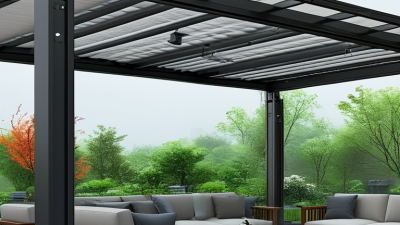
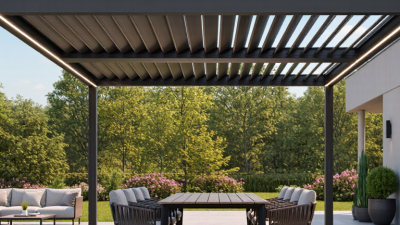
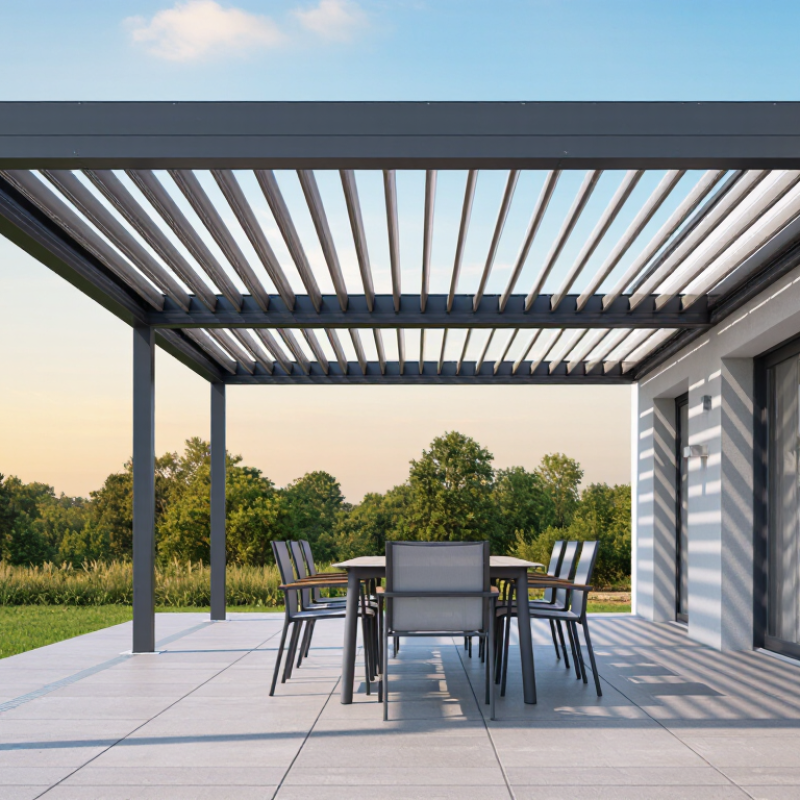
An adjustable louvered aluminum pergola is an outdoor shade structure with rotating roof slats. You can open the louvers for sunlight or close them during light rain. A hand crank, motor, or remote control usually changes the angle.
The aluminum frame resists rust better than untreated steel or timber. Still, it is not maintenance-free.
Its value comes from control, not decoration alone. Open louvers can improve daylight and airflow around a patio. Closed louvers create a more sheltered sitting area.
The U.S. Department of Energy recommends exterior shading to reduce unwanted solar heat gain. That principle supports pergola design, although results depend on orientation, climate, and installation quality. The International Aluminium Institute reports that recycled aluminum requires about 95% less energy than primary aluminum. That makes recycled content worth checking. Specifications can be vague, though.
Tips: Check the louver pitch, drainage channels, wind rating, coating warranty, and installation instructions. Ask whether the roof handles snow in your region. Measure the patio twice. A few centimeters matter. Choose a manual system when electrical access is difficult. For motorized units, protect wiring from standing water and inspect seals each season. I would also test the drainage before placing furniture underneath. Small leaks are easy to miss.
Seven Top Mirador Adjustable Louvered Aluminum Pergola Models
Seven Top Mirador Adjustable Louvered Aluminum Pergola Models
Choosing among the seven top adjustable louvered aluminum pergola models requires more than checking appearance. Grand View Research’s 2024 outdoor furniture analysis indicates steady growth in outdoor living demand, with weather-resistant materials remaining important. Aluminum performs well because it resists rust and needs limited maintenance. Still, not every frame handles the same climate.
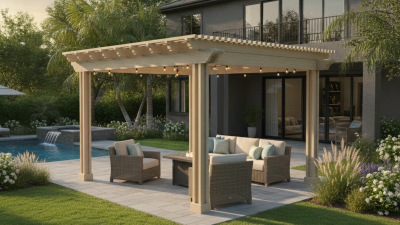
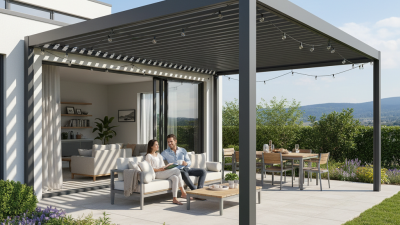
The seven strongest configurations suit different spaces. A compact wall-mounted model fits narrow patios and creates a shaded dining edge. A freestanding square model works beside pools or detached seating. A wide-span model covers outdoor kitchens, but needs careful structural review. A motorized model offers smoother louver control during sudden rain. A manual-crank model reduces electrical dependence and usually lowers upkeep. A rain-sensing model can close automatically, although sensors may react poorly to dirt. A dual-bay model creates flexible zones for dining and lounging.
The American Society of Civil Engineers’ ASCE 7-22 standard emphasizes site-specific wind and snow-load calculations. Buyers should request documented ratings, anchoring details, and drainage specifications. A good pergola should direct water through integrated gutters, not onto chair cushions. Look closely at powder coating thickness and hardware quality. Cheap fasteners can stain surrounding surfaces.
Experience also exposes a common weakness: advertised shade performance may ignore low-angle afternoon sun. Adjustable louvers help, but they cannot replace thoughtful orientation. I would measure the patio twice. Small errors become expensive after installation. Local approval requirements can also vary, so professional verification remains sensible.
How to Compare Size, Design, Durability, and Price
Comparing seven adjustable louvered aluminum pergolas requires more than matching a patio footprint. Measure the clear span, post locations, drainage path, and door swing first. A 10-by-12-foot structure may look spacious online but feel crowded beside outdoor furniture. Check the Department of Energy’s shading guidance, which reports exterior shading can reduce solar heat gain by up to 77% on west-facing windows. Louver direction matters. It changes glare, airflow, and afternoon comfort.
Design should fit both climate and daily use. Look for adjustable louvers, concealed gutters, corrosion-resistant fasteners, and tested powder coatings. ASTM B117 salt-spray testing can reveal coating weaknesses, but it does not predict exact outdoor service life. That limitation matters near the coast. The American Society of Civil Engineers’ ASCE 7 standard also shows that wind design depends on location, exposure, roof shape, and anchorage. A lightweight frame is not automatically unsafe, but weak footings can undermine a strong frame.
Price comparisons should include installation, foundations, drainage parts, permits, and future hardware replacement. The 2023 U.S. Houzz & Home Study reported a 59% increase in median outdoor renovation spending from 2020 to 2022, showing how quickly outdoor projects can expand in cost. I would not judge value from the frame price alone. A cheaper model may require more labor or lack local wind documentation. One practical test is simple: operate the louvers repeatedly, inspect water flow after rain, and ask for written load and warranty details. Mistakes still happen. Good comparison leaves room for them.
7 Best Adjustable Louvered Aluminum Pergola Configurations
This comparison uses common residential pergola sizes and planning-level U.S. price benchmarks. Larger footprints generally cost more, while adjustable louvers provide flexible shade and rain control.
Compare footprint area with estimated equipment-and-installation price. Actual prices vary by local labor, foundation requirements, drainage, lighting, screens, and customization.
Installation, Care, and Long-Term Maintenance Guide
7 Best Mirador Adjustable Louvered Aluminum Pergolas
Installation, Care, and Long-Term Maintenance Guide
A durable pergola begins with careful preparation, not fast assembly. Check the ground for level, drainage, and hidden utility lines. A concrete footing usually provides better stability than loose paving stones. Use corrosion-resistant anchors suited to the local climate and surface. Small errors matter. Confirm every post is plumb before tightening the frame. I once rushed this step, and the louvers later closed unevenly. That mistake was avoidable.
After installation, open and close the louvers slowly. They should move smoothly without scraping, clicking, or sudden resistance. Do not force it. Wash aluminum surfaces every few months with clean water, mild soap, and a soft cloth. Rinse away grit, especially after coastal winds or winter salt exposure. Avoid abrasive pads and harsh solvents because they can damage protective finishes. Clear leaves from gutters and drainage channels before water stains appear.
Inspect fasteners, hinges, seals, and motor connections at least twice yearly. Tighten loose hardware carefully, but avoid overtightening. Lubricate moving parts only when the installation guide permits it. Remove heavy snow promptly, following the structure’s rated limits. Strong storms may require the louvers to remain in a specified position. Local building requirements can differ, so professional review is sensible for complex foundations or electrical work. Keep service records with dates, photographs, and replaced parts. Maintenance is rarely dramatic. It is mostly consistent attention.