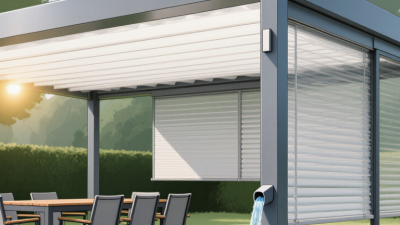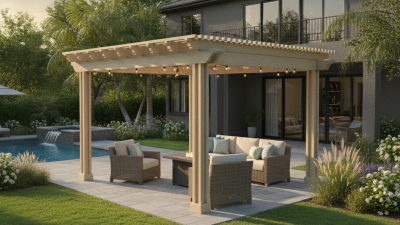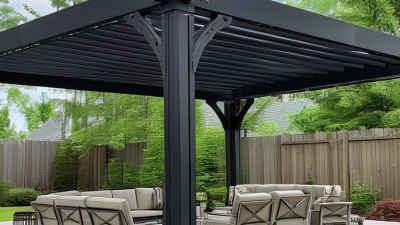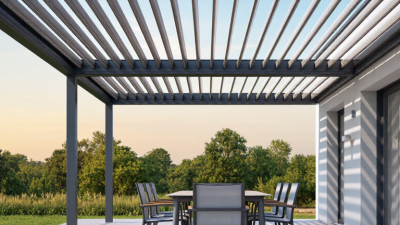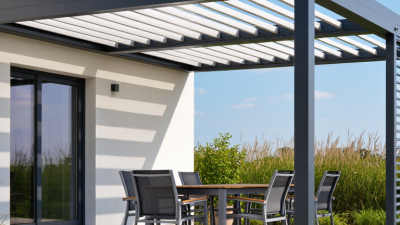
A Modern Aluminum Pergola can add shade and structure to a patio, but the right choice depends on more than its finish. Buyers should compare dimensions, frame construction, roof style, and adjustment options before focusing on color. Look closely. A compact balcony and a wide garden terrace have different needs, and a model that looks elegant online may feel bulky at home. Measure the usable area, including space for chairs, doors, and pathways. Then check whether the listed dimensions describe the frame or the full roof footprint.
Material details matter. Ask about aluminum thickness, protective coatings, fasteners, and the care required to keep the surface looking its best. Compare fixed-louver, adjustable-louver, and retractable-roof designs, since each offers a different balance of daylight, shade, and upkeep. Wind and rain performance should be supported by clear product documentation, not vague promises. Review warranty terms carefully. Coverage may differ for the frame, moving parts, and finish.
Installation deserves equal attention. Confirm what is included, whether professional assembly is recommended, and what foundation or anchoring method the manufacturer specifies. A low purchase price can become less attractive when delivery, assembly, or accessories are added. Request written details. These ten buying tips will help you compare products more confidently, spot unanswered questions, and choose a pergola suited to your space and routine. No single design is ideal for every home; careful measurements and verified specifications are a better guide than polished photographs.
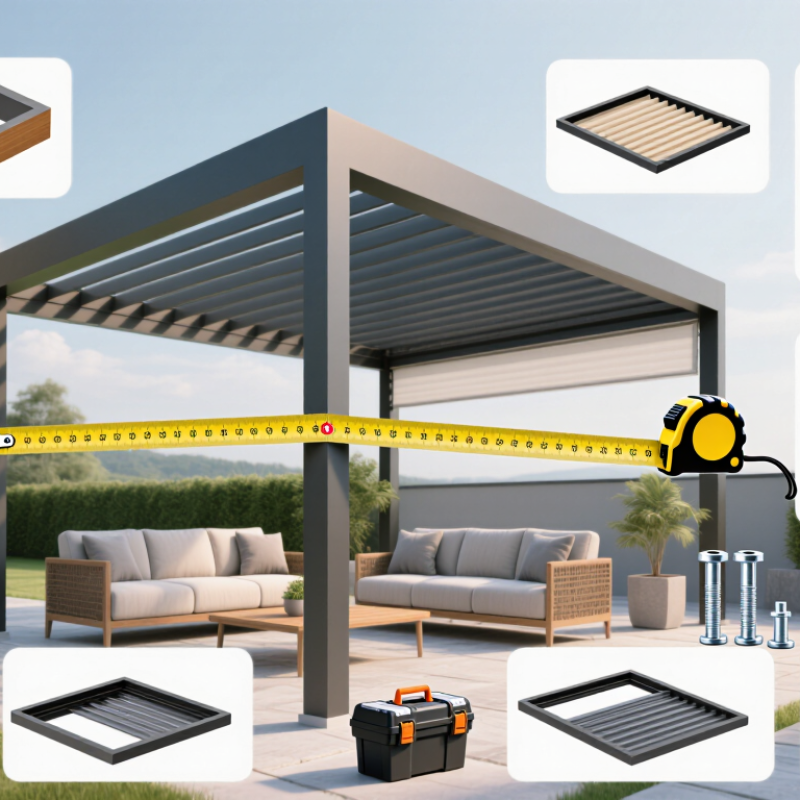
A modern aluminum pergola is an outdoor frame with a roof designed to manage sun, rain, or both. Its main types differ by roof movement and construction. Fixed-roof models offer steady shade, while louvered designs use rotating slats to adjust daylight and airflow. Retractable-roof versions open for a brighter patio. Attached pergolas connect to a building; freestanding models can sit beside a garden path or pool. Shade is not shelter.
Material choice matters, but roof mechanics matter just as much. Aluminum resists rust and is relatively light, yet thin profiles may flex under heavy wind or snow. Ask for the specified wind and snow loads, drainage details, and finish-care instructions. The International Aluminium Institute reports that recycling aluminum uses about 5% of the energy required to make primary aluminum. That is a useful material-life-cycle fact, though recycled content alone does not prove a pergola’s durability.
Tips: Match the roof type to how you use the space. Choose adjustable louvers if afternoon sun shifts across the table; consider a fixed roof for consistent coverage. Before buying, inspect a sample joint and check where rainwater exits. Then confirm the structure suits your site’s exposure. One detail buyers often overlook: a shaded seating area can still become hot when air cannot move freely.
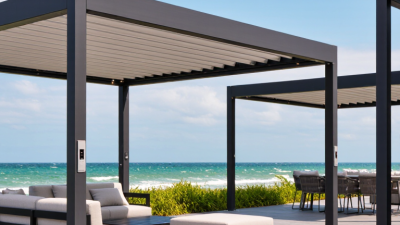
Assessing Size, Layout, and Installation Requirements
A pergola that looks generous on paper can crowd a patio once chairs and doors are in place. Measure the usable area, not just the slab: include chair pull-back space, walking routes, door swings, and drainage paths. NAHB’s analysis of U.S. Census Bureau data reported an average new-home floor area of 2,411 square feet in 2023. That figure is not a patio-sizing rule; it is a reminder that outdoor space varies widely. Sketch the pergola footprint against your actual yard, then mark posts, steps, and windows. A tape measure beats guesswork.
Tip: Leave clear access to doors and drains. Check overhead branches, eaves, and utility lines before choosing height. For wall-mounted designs, confirm the wall can support the connection; siding alone may not be adequate. Post locations should avoid buried services and sit clear of paving edges. Small detail. Big difference.
Before ordering, confirm the installation surface, footing needs, and local wind and snow-load requirements with a qualified installer or building professional. ASCE 7-22 provides design loads for structures, but the applicable loads depend on location and exposure. Ask for the proposed dimensions and post spacing in writing. I would recheck those measurements after marking the ground; a first layout can miss an awkward corner. Also confirm whether the kit allows adjustment for uneven paving, because a slight slope changes both fit and drainage.
| No. | Buying Tip | What to Assess | Practical Guidance | Before You Buy |
|---|---|---|---|---|
| 01 | Measure the usable area | Measure the patio or deck, including doors, steps, paths, and furniture zones. | Leave clear routes for people and access to doors. A pergola should fit the usable space, not just the overall yard dimensions. | Record the proposed footprint in both length and width, and mark it on the ground before ordering. |
| 02 | Plan the layout around the home | Check window and door positions, exterior lights, vents, gutters, and roof overhangs. | Allow space for doors to open and avoid blocking ventilation or maintenance access. Wall-attached layouts also need a suitable fixing surface. | Make a simple site sketch showing the house wall, openings, obstructions, and intended post locations. |
| 03 | Choose a suitable height | Consider standing headroom, nearby eaves, lighting, and the height of patio doors. | Compare the pergola’s clear height beneath beams and louvers—not only its overall height—with the space available. | Ask for the product’s internal clearance dimensions and confirm they work with the site measurements. |
| 04 | Decide how much shade you need | Assess sun direction, time spent outdoors, and whether the area needs shade throughout the day. | Adjustable louvers can change the amount and direction of sunlight, but performance depends on orientation and local conditions. | Observe the patio at different times of day and consider whether fixed or adjustable coverage better suits its use. |
| 05 | Check local wind and snow requirements | Review the site’s exposure and applicable local building requirements. | Permitted wind and snow loads vary by model, configuration, and location. Do not assume one rating applies to every installation. | Request documented load information and check with the local building department or a qualified professional where required. |
| 06 | Inspect the installation surface | Identify whether the pergola will sit on concrete, a deck, pavers, or soil. | Posts need secure anchoring to a suitable supporting structure. Pavers or decking alone may not provide adequate anchorage. | Confirm the substrate, anchor type, and any foundation work needed before finalizing the order. |
| 07 | Understand drainage and water management | Ask how rainwater moves across the roof and where it exits the structure. | Some designs direct water through gutters or posts; drainage details and required installation slope differ by product. | Check the drainage route and ensure water will not be directed toward a doorway, neighboring property, or foundation. |
| 08 | Review electrical and accessory needs | Plan for lighting, fans, heaters, screens, or other accessories before installation. | Accessories may require compatible mounting points, suitable clearances, and electrical work. Outdoor wiring should be installed appropriately for the location. | Confirm accessory compatibility and consult a qualified electrician for electrical connections where necessary. |
| 09 | Compare materials and finish details | Check the aluminum frame specifications, coating information, fasteners, and cleaning instructions. | Finish durability and corrosion resistance depend on the materials, coating, environment, and maintenance—not simply the word “aluminum.” | Request written care instructions and review the warranty terms for the frame, finish, and moving components. |
| 10 | Confirm delivery and installation logistics | Consider package size, access routes, assembly space, tools, and the number of installers needed. | Large components may need clear access from the delivery point to the installation area. Assembly requirements vary by design. | Check delivery dimensions, installation instructions, required permits, and whether professional installation is recommended. |
Planning note: Dimensions, load ratings, anchoring methods, permits, and installation requirements vary by product and location. Verify the manufacturer’s documentation and local requirements before purchasing or installing a pergola.
10 Modern Aluminum Pergola Buying Tips for Buyers
Comparing Frame Quality, Finishes, and Weather Resistance
Check the frame where it carries load: corner joints, roof connections, and post bases. Look for consistent welds or snug mechanical fasteners, plus clear information on alloy and wall thickness. A thick-looking post can still have thin walls. Ask for engineering details matched to your expected snow and wind exposure, not just a general “all-weather” claim. Feel the joints. Small details matter.
Finish claims need evidence. The AAMA 2604 and 2605 performance standards use five- and ten-year South Florida exposure testing, respectively; these are test benchmarks, not promises of service life. Ask which standard the coating meets, and inspect a sample for even coverage around edges and fastener holes. The Aluminum Association reports that recycled aluminum production uses about 95% less energy than primary production, but recycled content alone does not prove frame strength or coating durability. For weather resistance, check drainage paths, corrosion-resistant hardware, and separation between dissimilar metals. I would not judge a finish by color alone; a sample may hide how exposed edges age. Read the warranty exclusions, too, especially those covering coastal salt, standing water, or fading.
When comparing roof features, think about how you use the space at different times of day. Adjustable louvers can admit winter sun and tilt to shade a dining table on bright afternoons. Ask how water drains when the roof is closed; a channel that spills beside a doorway can create a slippery patch. Fixed panels provide steadier cover, but may make a small patio feel darker. Check the product specifications for wind and snow limits, then match them to local conditions with a qualified installer. A showroom sample can look convincing. Your yard may behave differently.
Choose accessories that solve a real problem. Side screens can soften glare and block breezes, while warm, dimmable lighting makes evening meals more comfortable. Consider where cables, switches, and heaters will sit before installation, not after the posts are fixed. Small details matter. Smart controls can operate louvers by phone or through rain and wind sensors, but sensors need correct placement and occasional checks. Confirm what happens during a power or Wi-Fi outage, and keep a manual control within reach. Test it manually. Automation is convenient, though it cannot replace checking the structure after severe weather. One feature I might skip at first is an elaborate control system; living with the pergola for a season can reveal what you actually need.
An aluminum pergola’s quoted price may cover only the frame. Ask whether delivery, installation, foundations, drainage, and electrical work are included. A low quote can grow once site preparation begins. Compare written, itemized estimates rather than headline prices. Check the aluminum thickness, finish, and hardware grade; these details affect durability and cost. Not every upgrade is worth paying for.
Read the warranty before choosing a model. Check how long coverage lasts for the frame, finish, and moving parts, since terms may differ. Look for exclusions involving coastal air, standing water, incorrect installation, or routine wear. That matters. Ask what proof is required if a claim arises, and whether labor is included. A long warranty sounds reassuring, but unclear exclusions can make it less useful.
Maintenance is usually simple, not nonexistent. Rinse dust and pollen from the slats with water, then use mild soap for stubborn marks. Clear leaves from gutters and check fasteners after storms. Small checks help. Salt spray and damp debris may shorten the life of a finish, so inspect exposed areas regularly. I would still budget time for upkeep, even with a low-maintenance frame; that expectation is easy to underestimate. Keep the care instructions and purchase documents somewhere accessible.