China Best PVC Awning Pergola Suppliers?
Choosing among China’s best PVC Awning Pergola suppliers takes more than comparing prices. A good supplier should explain the fabric specification, frame material, drainage design, and installation requirements in clear terms. Ask for current product data, close-up photos of seams and fittings, and a physical sample when possible. Details show.
PVC fabric can look similar in a product photo, yet differ in coating, weight, color stability, and performance outdoors. Check how the supplier describes UV exposure, rain resistance, cleaning, and expected maintenance. Request written warranty terms and confirm which parts they cover. Also compare frame finishes, hardware, customization options, lead times, and minimum order quantities. One weakness in many buying guides is that they treat a polished catalog as proof of quality. It is not.
For this overview, Ethan Cole is an illustrative PVC outdoor-products specialist, not a verified interview source. His practical reminder is: “Judge the sample in sunlight and rain, not only in a showroom.” Use that principle when shortlisting China-based suppliers. Ask how they inspect orders, package long components, and handle reported defects. Compare answers, not promises. The right PVC Awning Pergola partner will provide specific evidence and communicate limits honestly. Even then, no product is maintenance-free; local weather, installation, and regular care all matter. A careful shortlist can help buyers find a suitable supplier without relying on bold claims alone.
What Is a PVC Awning Pergola and How Does It Work?
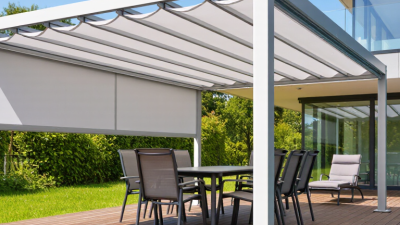
A PVC awning pergola is an outdoor frame fitted with a canopy made from PVC-coated fabric. The frame is usually metal or timber; “PVC” commonly describes the covering, not the whole structure. That distinction matters.
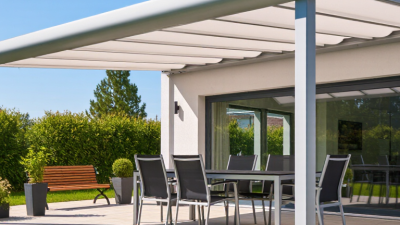
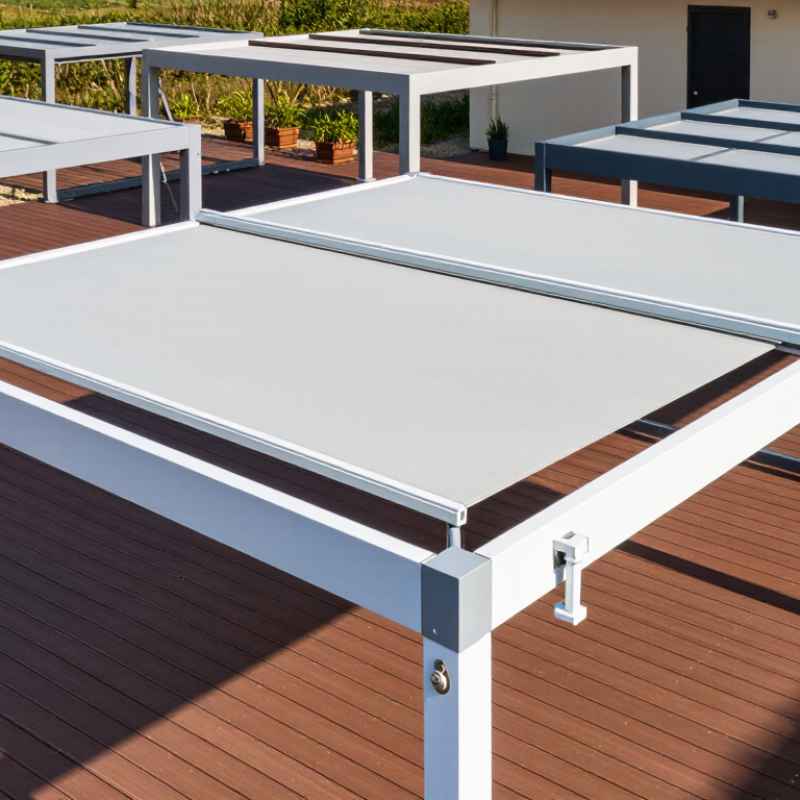
The canopy shades a patio by blocking direct sunlight, while the frame keeps it stretched above the seating area. Some designs use fixed panels. Others slide along tracks, so you can open the roof for more light or close it for shade. Movement may be manual or motorized, depending on the system. Not quite a sealed roof. Rain protection depends on the fabric, seams, slope, and drainage design.
On a working installation, check how water leaves the canopy after a shower. It should not collect in a sagging pocket. Also inspect the frame’s anchoring, track movement, and fabric tension before choosing a size. PVC-coated fabric can be water-resistant and easy to wipe, but heat, dirt, and prolonged exposure can affect its appearance over time. A soft brush and mild cleaning solution are often more suitable than abrasive tools. Still, specifications vary. Ask for fabric weight, UV performance, drainage details, and wind limits in writing, then compare them with your site conditions.
Key Materials and Features of PVC Awning Pergolas
A PVC awning pergola typically combines a coated fabric canopy with a supporting frame made from aluminum or treated steel. PVC-coated polyester is common because it resists moisture and wipes clean with a soft cloth. Ask for the fabric’s weight, UV-resistance data, and seam details; a glossy surface alone says little about service life. Welded seams can reduce needle holes, but workmanship still matters.
Details matter.
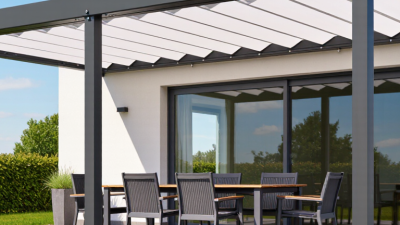
Look closely at the frame joints, fasteners, and canopy tensioning system. A slight roof slope helps guide rain toward the intended drainage edge, while a flat, taut-looking canopy may still collect water if poorly installed. In a breezy yard, secure anchoring is essential, and the structure should be sized for local weather conditions rather than appearance alone. PVC can feel warm beneath direct sun, so ventilation and shade layout deserve attention.
It is not flawless.
Clean the canopy gently and inspect seams and fittings seasonally; harsh brushes can damage the coating, and neglected tension may lead to sagging. Check the supplier’s care guidance and warranty terms before choosing.
How China’s PVC Awning Pergola Suppliers Manufacture Their Products
China’s PVC awning pergola suppliers usually start by confirming dimensions, frame layout, and fabric requirements. PVC-coated fabric is selected for its thickness, reinforcement, and intended exposure. Rolls are checked for visible flaws before cutting. Small defects can still escape inspection, so incoming checks matter.
Fabric panels are cut to measured patterns, then joined with industrial stitching or heat welding, depending on the construction. Corners and attachment points often receive extra layers because wind tension concentrates there. Meanwhile, aluminum or steel frame sections are cut, drilled, and assembled. Operators check alignment before applying protective finishes. It is a practical step, but rushed handling can leave scratches or uneven joints.
The canopy is fitted to a sample frame to check tension, movement, and drainage. Workers may spray water over the fabric and inspect seams, then review hardware, dimensions, and packaging. Results depend on test duration and setup. A neat sample is not the whole story. Buyers can request fabric specifications, inspection records, and photos of production checks. Suppliers should explain what their tests cover, and what they do not. That detail is easy to overlook.
How to Evaluate and Compare Suppliers in China
China Best PVC Awning Pergola Suppliers?
How to Evaluate and Compare Suppliers in China
Compare suppliers using the same specification, not polished catalog photos. Ask for PVC fabric weight, coating type, frame material, tube thickness, and test details. Then request a sample with stitched seams and corner reinforcement. Small flaws show up there. Check whether the supplier can explain UV resistance, water-shedding design, wind limits, and replacement-part availability. ISO’s 2022 Survey reported more than 1.2 million ISO 9001 certificates across 189 countries. Certification can indicate documented quality processes, but it does not prove that a specific pergola will perform well outdoors. Ask for the certificate’s scope and verify that it covers the relevant production site.
Tips: Send every supplier one drawing, one bill of materials, and the same questions. Compare written answers, sample quality, lead time, warranty exclusions, and inspection options. Ask for dated photos or videos of frame assembly and packaging. A vague wind-rating claim deserves follow-up: request the test method and conditions, not just a number. For larger orders, agree on a pre-shipment inspection and define acceptable defects in writing. Be cautious with unusually low quotes. They may reflect thinner tubes or lighter fabric, though price alone cannot confirm that. I would still inspect a physical sample; paperwork can look convincing while a zipper catches or a seam puckers.
Important Questions to Ask Before Choosing a Supplier
When comparing PVC awning pergola suppliers in China, ask what the fabric specification includes.
Request its thickness, weight per square meter, UV protection details, and cleaning instructions. Ask for the technical data sheet, not only a sales description. Check how seams are welded and whether the supplier can show close-up photos or a sample. Small details matter. Ask what frame materials and finishes are available, and how the design handles rainwater. Wind performance depends on installation and local conditions, so request test evidence and clear limits rather than a broad promise.
Ask how quality is checked during production. For example, does someone inspect welds, frame dimensions, and surface marks before packing? Confirm whether the production sample matches the materials used in a bulk order. A sample helps, but it cannot show years of sun exposure. Ask about lead times, packaging, spare parts, and which warranty issues are excluded. Get answers in writing, with measurements and practical terms. I would still leave room for doubt: supplier documents can look complete while a finished product feels different on site. Requesting a sample and agreeing on inspection points can reduce that gap.