Why Choose a PVC Awning Pergola?
A Pvc Awning Pergola can turn a sunlit patio into a more usable outdoor room, offering shade above a dining table, garden bench, or sliding glass doors. Its appeal is practical: a well-positioned awning can soften harsh sunlight while helping define an inviting space. But performance depends on more than the material. Frame strength, fabric quality, drainage, installation, and local wind exposure all deserve attention.
The U.S. Department of Energy’s Energy Saver guidance reports that awnings can reduce summer solar heat gain by up to 65% on south-facing windows and 77% on west-facing windows. These figures concern windows, not every pergola installation, so results vary with orientation, design, and conditions. That distinction matters. PVC-coated fabrics are valued for weather resistance and straightforward cleaning, yet they still need proper tension, secure fittings, and routine inspection. Small details count.
A useful guide should weigh these trade-offs alongside appearance, maintenance, and cost. I could not verify a published quotation from a named PVC awning pergola industry expert, so I will not invent one or present an editorial line as a real quote. That is a limitation worth acknowledging. With reliable specifications and realistic expectations, homeowners can judge whether a Pvc Awning Pergola suits their climate, space, and everyday needs.
What Is a PVC Awning Pergola?
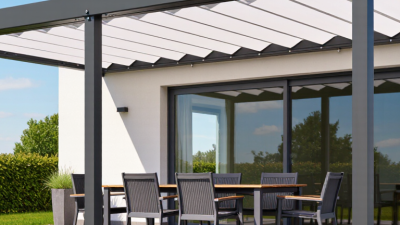
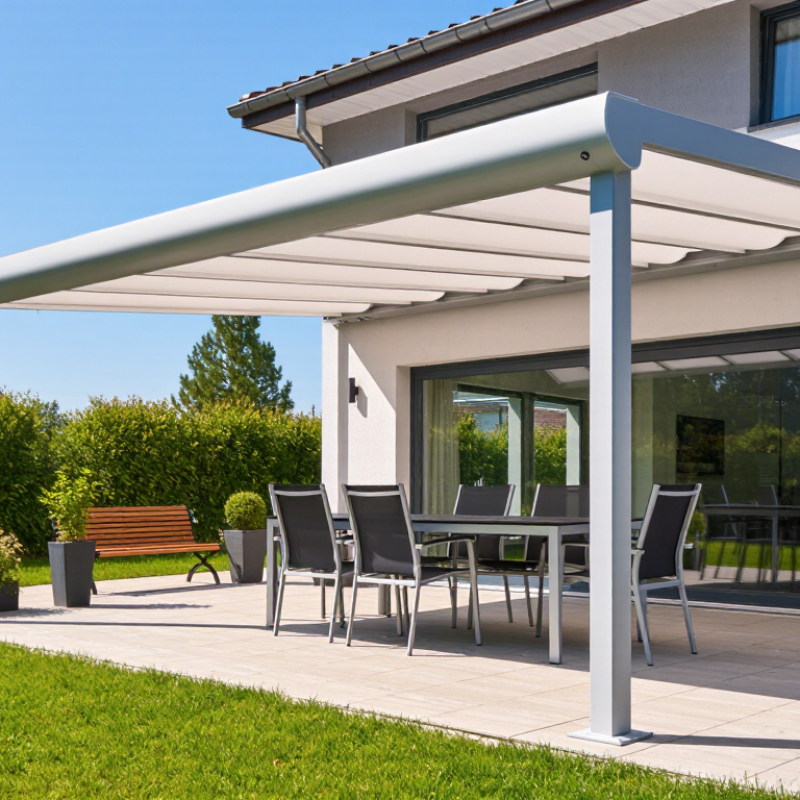
A PVC awning pergola is an outdoor structure with a roof made from PVC-coated fabric or PVC panels. The pergola’s supporting frame may be metal, timber, or another suitable material; PVC usually refers to the canopy, not the whole structure. Some canopies are fixed, while others slide or retract along tracks. The design determines how much shade you can adjust during the day.
PVC-coated fabric is generally valued for its resistance to moisture and ease of cleaning. It can suit a patio where light rain or strong sun is common, but it should not automatically be treated as a sealed roof. Check the product specifications for UV resistance, drainage, and wind limits. Water that pools on a canopy can strain its fabric and supports. Small details matter. Look closely at seams, attachment points, and how the roof is secured before choosing a model. It is tempting to focus on color and price, yet those details may matter more after a season outdoors. PVC can also feel less natural than woven shade cloth, and that trade-off is worth considering. No canopy is maintenance-free; occasional cleaning and inspection help reveal wear before it becomes harder to fix.
Why Choose a PVC Awning Pergola? — What Is a PVC Awning Pergola?
| Aspect |
What It Means |
Practical Consideration |
| Definition |
A pergola fitted with an awning made from PVC material, often PVC-coated textile. The canopy may be fixed, retractable, or designed to slide along rails. |
Check whether the product uses PVC-coated fabric or rigid PVC panels; these are different canopy types with different handling and performance. |
| Shade and light control |
An extended canopy blocks direct sunlight. Retractable designs can be opened to let in more daylight or provide an open-roof feel. |
Shade depends on canopy coverage, orientation, and the sun’s position. A canopy does not necessarily make the area completely dark. |
| Rain protection |
Many PVC-coated awning fabrics are designed to resist water, but the level of protection depends on the fabric, seams, slope, and installation. |
Confirm the manufacturer’s water-resistance specifications and provide appropriate drainage. Do not assume every pergola canopy is fully waterproof. |
| Typical canopy materials |
PVC-coated polyester is commonly used for awnings because the coating can provide a water-resistant surface and help protect the textile. |
Ask about fabric weight, coating, seam construction, and cleaning instructions; specifications vary between products. |
| Frame and support |
The canopy is supported by a pergola frame, commonly made from metal or timber. The frame carries the load and anchors the structure. |
Frame strength, fixings, and installation must suit the site and local wind conditions. The canopy material alone does not determine structural safety. |
| Maintenance |
Routine care generally includes removing loose debris and cleaning the canopy according to its care instructions. |
Allow the canopy to dry as recommended before storing or retracting it, and inspect seams, rails, and fixings periodically. |
| Best suited to |
Patios, terraces, and other outdoor areas where adjustable shade or shelter is desired. |
Consider local weather, available mounting points, desired coverage, and whether the canopy needs to retract when not in use. |
Product construction, dimensions, weather resistance, and care requirements vary. Review the specific product documentation before purchase or installation.
How PVC Components Provide Weather Protection
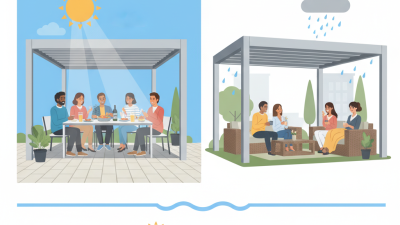
A PVC awning pergola can make a patio more comfortable when the weather shifts. Its PVC-coated canopy helps shed rain, while sealed seams and fitted edges reduce leaks. PVC sleeves or connectors can protect joints from splashes and help limit moisture exposure around compatible metal parts.
Water still needs somewhere to go. A sloped canopy and clear drainage path help prevent pooling, which can stretch fabric or strain fasteners. In a light shower, rain should run toward the edges, not collect above the seating area. Small detail, big difference.
PVC surfaces are generally easy to wipe clean. After a windy day, rinse off grit and inspect the corners, stitching, and attachment points; trapped debris can wear them over time. Sun exposure matters too. Look for materials rated for outdoor use, since prolonged UV exposure can cause some PVC to fade or become brittle.
“Weatherproof” does not mean maintenance-free, and heavy snow or strong gusts may exceed a pergola’s design limits. That distinction is easy to miss.
Check drainage after installation, too: a canopy can look neat yet hold a shallow puddle if its slope is too flat. The protection is practical, not perfect.
Key Benefits for Outdoor Living Spaces
A PVC awning pergola can turn a hot, exposed patio into a more usable place for lunch, reading, or an evening meal. Its overhead cover provides shade and can help shield outdoor furniture from rain. The effect depends on the design: an open-sided structure will not keep wind-driven rain out. Small details matter. Check that water drains away from the house, and look for clear wind-load and snow-load specifications.
Outdoor recreation is already part of many people’s routines. The Outdoor Industry Association’s 2024 Outdoor Participation Trends Report counted 175.8 million U.S. participants in 2023, equal to 57.3% of people aged six and older. This measures outdoor recreation, not pergola ownership, but it shows why comfortable outdoor spaces matter. More time outside.
PVC surfaces are generally easy to wipe clean, which helps when pollen or dust settles on the cover. Still, low maintenance does not mean no maintenance. Inspect fasteners, seams, and drainage after storms. Ask whether the PVC is UV-stabilized, and review its warranty and care instructions. Shade is not magic. A light-colored cover may soften glare, but it can still feel warm underneath on a still, humid afternoon. Temperature, orientation, and ventilation all shape comfort.
Why Choose a PVC Awning Pergola?
A practical comparison of common outdoor-living benefits. Ratings are qualitative, not lab-test results; actual performance depends on the PVC material, design, installation, and local conditions.
Design Options and Common Applications
A PVC awning pergola combines a defined outdoor structure with a cover that can provide shade and shelter from light rain. The fabric-like PVC surface is available in different colors and levels of light transmission. A pale, translucent cover can brighten a patio, while a darker option offers stronger shade. The right choice depends on sun exposure, wind, and how the space is used. It is not a substitute for a fully enclosed room.
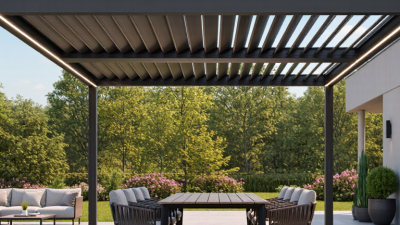
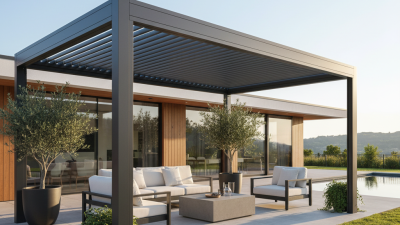
Design options range from a simple wall-mounted frame over a back door to a freestanding pergola beside a pool. A retractable awning suits people who want sun on cooler days, while a fixed cover offers consistent overhead protection. At a café, several compact units can define outdoor seating without blocking views. At home, a pergola can shelter a dining table, though low supports may make the area feel cramped. Measure the furniture and walking space before choosing the frame size.
Tips: Check the frame’s drainage path and the cover’s cleaning instructions before installation. Leaves and standing water can cause avoidable maintenance problems. In windy locations, ask a qualified installer about suitable anchoring and operating limits. PVC can be practical, but it may look less natural than wood; consider samples beside your siding or paving before deciding.
Factors to Consider Before Choosing One
Before choosing a PVC awning pergola, note where the sun falls at breakfast and late afternoon. Shade changes by season. The U.S. Department of Energy’s Energy Saver guidance offers a useful benchmark: exterior window awnings can reduce summer solar heat gain by up to 65% on south-facing windows. For west-facing windows, the figure reaches 77%. These are window-awning figures, not a performance promise for a pergola, but they show how much orientation matters.
Check what “PVC” means in the product specification. The cover may be PVC-coated fabric or rigid PVC panels, and each behaves differently in sun, heat, and rain. Ask about UV protection, seam construction, cleaning instructions, and expected color changes. Small details matter. A dark cover can feel warmer underneath, while a shallow slope may leave puddles after a storm. I would not choose by color alone.
Wind capacity needs equal attention. Ask for tested limits and the conditions behind them, including anchoring and installation requirements. A cover rating does not automatically certify the entire pergola. Check whether the frame, fasteners, and mounting surface are suitable for your site’s exposure. Also consider how easily the cover can be inspected or replaced. PVC can be practical, but it is not maintenance-free.