China Best PVC Awning Pergola Manufacturer and Supplier
China’s leading PVC Awning Pergola manufacturers combine practical design with dependable outdoor protection. A well-built Pvc Awning Pergola can create a cooler terrace, sheltered dining area, or flexible commercial space. It can also improve how people use gardens throughout changing seasons.
Experienced suppliers understand that material selection affects every detail. They assess PVC fabric thickness, UV resistance, waterproof performance, frame strength, drainage, and operating comfort. Each project deserves careful attention. A pergola facing strong coastal winds needs different planning from one beside a quiet residential pool.
Reliable manufacturers support customers from concept to installation. They provide measured drawings, fabric samples, color options, and clear production schedules. Quality checks should cover stitching, connection points, surface finish, and water flow. Suppliers with proven project experience can also explain maintenance needs honestly, including cleaning frequency and possible fabric replacement.
No outdoor structure performs perfectly in every climate. Even excellent PVC can age faster under extreme sunlight, poor drainage, or neglected cleaning. That limitation deserves attention. Buyers should review wind conditions, installation surfaces, warranty terms, and after-sales support before ordering.
A trustworthy China supplier does more than offer attractive prices. It communicates clearly, records specifications, and responds when adjustments are necessary. Some projects require refinement after the first consultation. That is normal. The best manufacturers listen carefully, test practical solutions, and deliver a Pvc Awning Pergola designed for real daily use.
What Is a PVC Awning Pergola?
China Best PVC Awning Pergola Manufacturer and Supplier
What Is a PVC Awning Pergola?
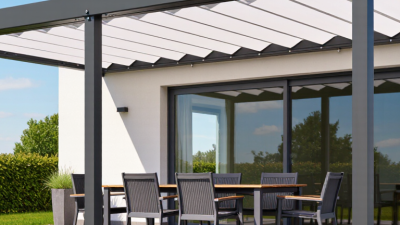
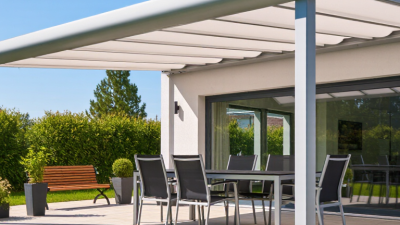
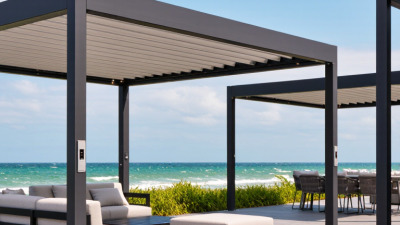
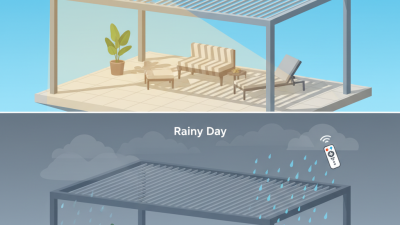
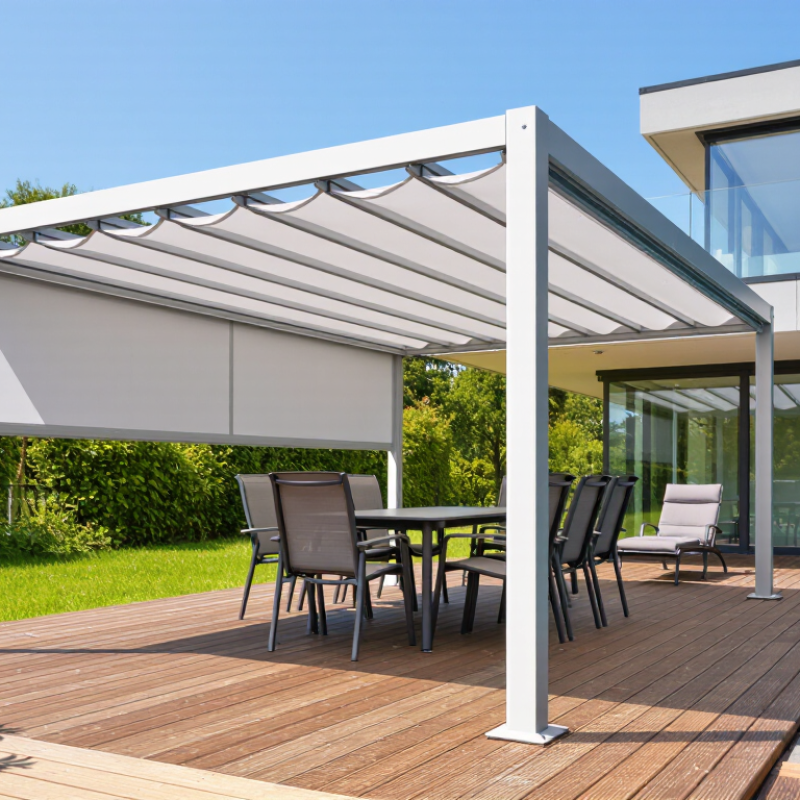
A PVC awning pergola is an outdoor structure with a pergola frame and a flexible PVC canopy. The canopy usually slides, folds, or rolls across the roof. It creates shade and helps reduce exposure to light rain, wind, and strong sunlight.
Unlike a fixed roof, the PVC cover can change with the weather. In practical installations, users often open it during cool mornings and close it before afternoon heat. The material is usually waterproof-coated polyester or PVC fabric, supported by aluminum or galvanized steel components. These details affect durability, appearance, and maintenance needs.
PVC is easy to clean.
A soft brush and mild soapy water can remove dust. However, the fabric still needs proper drainage and regular inspection. Trapped water may add stress to the frame, especially after storms. A pergola is not a substitute for a certified permanent roof, and local wind conditions must guide the design.
Experienced suppliers should provide fabric specifications, frame dimensions, load information, and installation guidance. Buyers should also check stitching, welded joints, track movement, and replacement-part availability. A lower price can look attractive, but weak hardware may create higher costs later. Even well-designed systems need care; that is the part many product descriptions overlook.
Key Features and Benefits of PVC Awning Pergolas
China Best PVC Awning Pergola Manufacturer and Supplier
Key Features and Benefits of PVC Awning Pergolas
PVC awning pergolas create shaded outdoor rooms without the upkeep associated with timber structures. Their coated surfaces resist moisture, fading, and routine staining. A cloth usually needs washing after pollen season. A PVC canopy often needs only water, mild soap, and a soft brush.
Market evidence supports growing outdoor-living demand. Grand View Research valued the global outdoor furniture market at approximately USD 19.8 billion in 2022. It also forecast a 5.7% compound annual growth rate from 2023 to 2030. These figures do not measure PVC pergolas directly, but they indicate stronger investment in usable exterior spaces. Practical features matter: adjustable louvers, drainage channels, reinforced seams, and corrosion-resistant fasteners. Correct installation matters more than attractive photographs.
Field checks should include frame alignment, anchor depth, canopy tension, and water runoff after rain. PVC can expand in intense heat, so installers should allow suitable movement at joints. Wind performance also depends on engineering, local exposure, and foundation quality. A manufacturer should provide load data and installation guidance, not vague promises. Energy savings are possible when a canopy blocks harsh afternoon sun, although results vary with glass area, orientation, and ventilation. I would not claim maintenance-free performance. No outdoor product is truly maintenance-free.
Key Features and Benefits of PVC Awning Pergolas
PVC awning pergolas are valued for their water-resistant construction, low-maintenance surface, lightweight structure, and reliable shade coverage. The chart uses a practical 1–5 suitability index to compare common performance priorities; higher scores indicate stronger suitability for typical outdoor residential and commercial applications.
How to Choose the Best China PVC Awning Pergola Supplier
Choosing the best China PVC awning pergola supplier requires more than comparing quotations. Examine the factory’s production experience, technical staff, and completed outdoor projects. Ask for recent photos, material samples, and a video inspection of the workshop. A reliable supplier should explain PVC thickness, frame reinforcement, UV resistance, drainage design, and wind-load testing in clear language. Vague answers are warning signs.
Request a detailed quotation, not a single total price. It should separate the PVC roof, aluminum or steel structure, fittings, packaging, and shipping. Confirm production lead time and inspection procedures before placing an order.
A pre-shipment check can reveal uneven seams, weak joints, or scratched panels. Small defects become expensive after installation.
Discuss customization carefully. Provide exact dimensions, site photos, preferred colors, and local weather conditions. The supplier should review these details instead of accepting every request immediately. That matters. An experienced engineer may identify poor drainage or insufficient support early. Check warranty coverage, replacement-part availability, installation guidance, and response times. A low price once looked attractive in a project review, but unclear packaging caused damaged panels and delays. That mistake still deserves attention. Choose a supplier that documents specifications, confirms changes in writing, and communicates consistently throughout production.