Choosing the right Louvre Roof supplier in China requires more than comparing online prices. A reliable decision begins with product quality, engineering experience, and clear communication. Buyers should examine how each supplier designs, manufactures, tests, and supports its Louvre Roof systems. A polished website is useful, but it proves little by itself.
Look for suppliers with verifiable factory information, experienced technical teams, and documented project records. Ask for material specifications, coating details, wind-load data, drainage designs, and installation guidance. Aluminum alloy, stainless steel hardware, and powder-coated finishes can affect durability significantly. Request close-up photos of joints, blades, motors, and control boxes. Small details often reveal production discipline. Samples help, too. They may expose uneven coating or weak connections before a large order begins.
Certifications and test reports should come from recognized bodies and match the actual product. References from completed projects can provide practical evidence, especially for hotels, restaurants, villas, and commercial terraces. Still, no supplier is perfect. Delays, unclear drawings, or inconsistent replies may appear during evaluation. That is not automatically a failure, but it deserves careful questioning. A dependable partner explains limitations honestly and proposes workable solutions. This guide will compare supplier capabilities, customization options, quality controls, pricing factors, warranty terms, and after-sales service. It will also highlight common mistakes, because the cheapest quotation can become expensive after installation. Choose evidence over promises. That principle protects both your investment and the final outdoor experience.
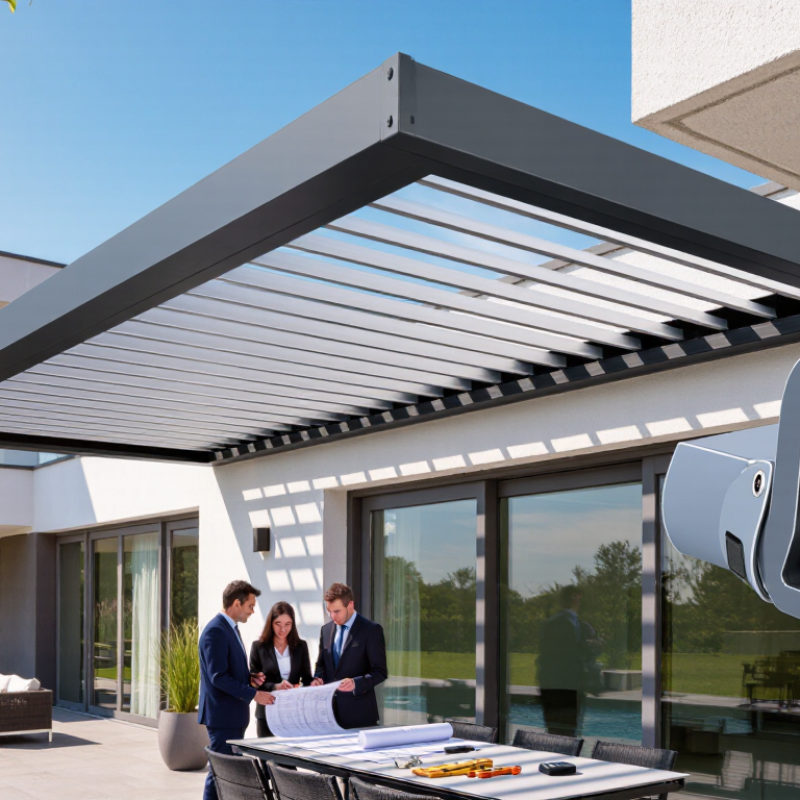
A louvre roof uses adjustable slats to control sunlight, airflow, and rain protection. The blades can open for ventilation or close for shelter. This flexibility makes the roof suitable for patios, restaurants, gardens, and commercial outdoor areas.
Supplier selection matters because the roof’s performance depends on more than appearance. Experienced suppliers should explain blade materials, coating thickness, drainage design, motor protection, and wind resistance.
Ask for engineering drawings and test reports, not only attractive project photos. A reliable manufacturer will clarify load limits and recommend suitable dimensions for your climate.
Small details matter. Poor drainage can leave water near joints and damage interior finishes.
During supplier evaluation, inspect product samples and request a trial installation. Check whether the blades move smoothly and close evenly. Confirm spare-part availability, installation guidance, warranty terms, and after-sales response times.
Clear communication is essential when drawings change. I once saw a project focus heavily on low pricing, while transport and installation costs were ignored. The final budget became higher than expected. That mistake is worth remembering.
A professional supplier should welcome technical questions, admit design limitations, and provide realistic delivery schedules. Be cautious when promises sound perfect. Reliable information is usually specific, measured, and supported by documents.
Choosing a Louvre Roof Supplier in China requires more than comparing prices. Start with the roof material. Aluminum suits humid areas because it resists rust and stays relatively light. Powder-coated finishes can improve appearance, but coating thickness and outdoor test records deserve attention. Steel may provide greater strength, yet it needs reliable corrosion protection. Ask for material certificates, drainage details, and samples before approving production.
Design matters too. Compare fixed, adjustable, and motorized louvers against your climate and daily use. Adjustable blades can control sunlight beside a pool or restaurant terrace. Check blade width, rotation range, frame thickness, and water drainage. A smooth motor is useful, but only when wiring, controls, and emergency operation are clearly documented. Small gaps can cause large problems.
Tips:
Request a full-size corner sample. Test rain flow with a hose. Ask how replacement blades are supplied. Confirm wind-load calculations for your installation site, not a generic project. Speak with a technical representative who can explain tolerances and installation steps. Factory photos are helpful, but they are not proof. One overlooked issue is maintenance access; I have seen attractive roofs become difficult to clean after installation. Allow time for an independent inspection, even if the supplier seems experienced. Reliability is demonstrated through consistent documents, clear responses, and realistic promises.
A reliable Chinese louvre roof supplier should prove quality through evidence, not attractive photographs. Request factory videos, material certificates, and recent inspection records. Check the aluminium alloy grade, profile thickness, coating method, and fastener material. These details affect strength, corrosion resistance, and service life.
Ask how the supplier tests drainage, motor movement, wind resistance, and water sealing. Their engineers should provide load calculations for your project location. Independent laboratory reports are more convincing than internal promises.
Visit the factory if possible, and compare the production line with the samples received. A polished sample can still hide inconsistent welding or weak packaging. This is where careful inspection matters.
Order a small sample before signing a large contract. Measure the frame, inspect the joints, and operate the blades repeatedly. Ask for a clear quality standard, replacement procedure, installation guidance, and warranty terms.
Check whether each batch has traceable records. Speak with recent overseas customers, but verify their projects independently. Some suppliers respond quickly before payment, then communicate poorly after delivery.
That risk deserves attention. A lower price may also reflect thinner profiles, fewer tests, or limited technical support. Leave room for doubt, and require every important promise in writing.
Choosing a Chinese louvre roof supplier requires more than comparing prices. Certifications deserve careful checking. The ISO Survey 2023 recorded over one million ISO 9001 certificates in China. However, this number does not prove every factory controls quality well. Ask for the certificate number, issuing body, scope, and expiry date. For European projects, verify CE-related compliance and structural documentation. Wind-load calculations should match your location, roof size, and installation method.
Service quality becomes visible before production. A reliable supplier should provide site measurements, shop drawings, drainage details, installation guidance, and replacement-part support. Request material certificates for aluminium, coating, motors, and fasteners. Outdoor durability matters. The powder-coating specification should state thickness, testing method, and corrosion-performance expectations. Independent inspection is wise, especially for large projects. Photos can mislead. Factory records are stronger evidence.
Customization should be practical, not decorative. Check blade width, rotation angle, post dimensions, lighting channels, rain sensors, colours, and control systems. Ask whether custom designs receive wind, drainage, and load reviews. A 2024 Grand View Research analysis links outdoor living growth with demand for weather-resistant, flexible structures. That suggests customization will keep expanding, but poorly reviewed modifications can create leaks or weak connections.
Tips: Request a sample corner joint. Test the drainage path with water. Confirm lead times in writing. Check warranty exclusions carefully. I once saw a beautiful prototype fail because its hidden gutter was too narrow. Small details matter.
Comparing quotes requires more than checking the lowest unit price. Ask every supplier to price the same roof size, aluminum grade, blade thickness, motor type, controls, packaging, and delivery term. A quote should show tooling, samples, spare parts, installation guidance, and export documentation separately. Otherwise, a cheap offer may hide costs behind vague wording. Check whether the supplier has completed similar projects. Request drawings, test records, factory photos, and two recent customer references. Practical evidence matters more than polished sales language.
Lead times should include production, inspection, packing, and port handling. Ask for a milestone schedule with dates, not just “20 days.” Confirm what happens if drawings change or materials arrive late. Warranty terms need equal attention. Check coverage for motors, coatings, blades, controls, and water leakage. Ask who pays freight for replacement parts. Some warranties sound generous but exclude normal coastal corrosion. Read the exclusions carefully. I have seen buyers overlook this detail.
Tips: Build a comparison sheet with price, lead time, warranty, payment terms, and estimated installation costs. Add shipping, duties, local labor, maintenance, and possible rework. Request a pre-shipment inspection before final payment. Keep a small contingency budget; even careful planning can miss crane access, wiring changes, or damaged packaging. A supplier who answers technical questions clearly is usually easier to manage after delivery.