Outdoor spaces are becoming more functional, comfortable, and visually connected to the home. Grand View Research reported that the global outdoor furniture market was valued at approximately USD 50 billion in 2023, with continued growth expected through 2030. The Freedonia Group also identifies outdoor living improvements as a strong remodeling trend, especially where homeowners want shade, dining space, and year-round usability. These figures explain the rising interest in the Aluminum Louvered Pergola. Yet popularity does not guarantee a suitable purchase.
A well-chosen pergola should match the property, climate, and daily habits. Powder-coated aluminum can resist corrosion and reduce maintenance, but coating quality still matters. Motorized louvers may improve comfort, although their controls, drainage, and power requirements deserve careful inspection. A design that looks elegant in a showroom can feel undersized beside a long dining table. Small details matter.
This guide presents seven practical tips for comparing frame strength, louver performance, weather resistance, dimensions, installation, accessories, and supplier support. It draws on recognized building guidance, manufacturer specifications, and climate-related performance considerations. For example, ASCE 7 provides widely used methods for evaluating wind and environmental loads, while AAMA standards help explain the importance of tested coatings and finishes. Local requirements still vary.
That point is easy to overlook. No checklist replaces professional site assessment. The best Aluminum Louvered Pergola is not always the largest or most expensive model. It is the one that handles sunlight, rain, wind, and everyday use without creating new maintenance problems. A little skepticism helps. So does measuring twice.
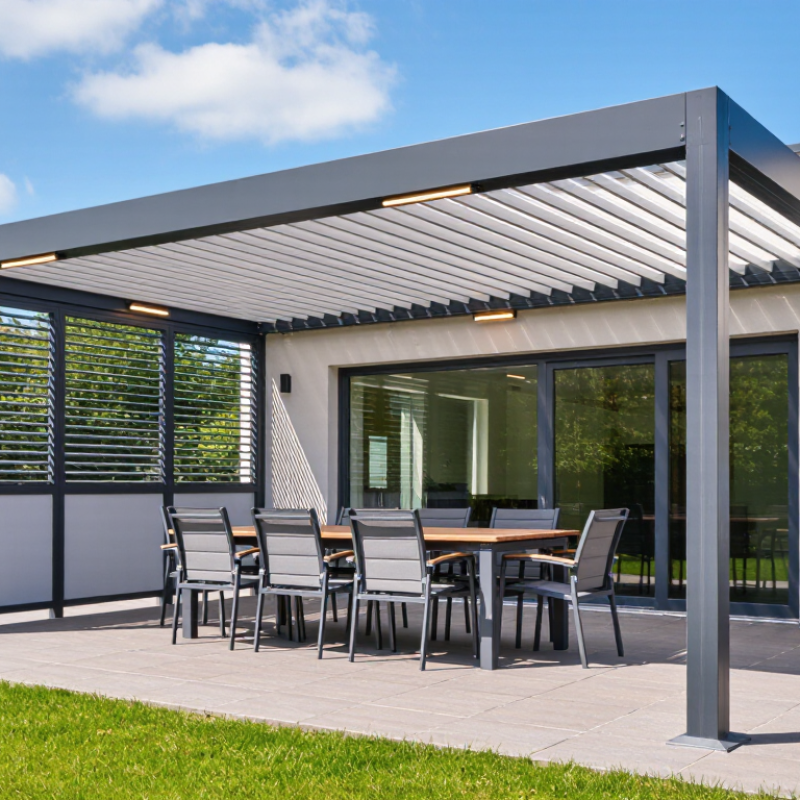
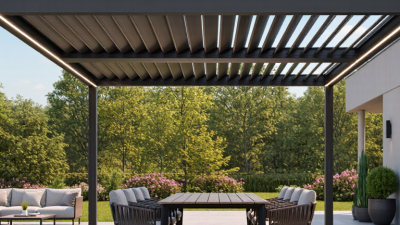
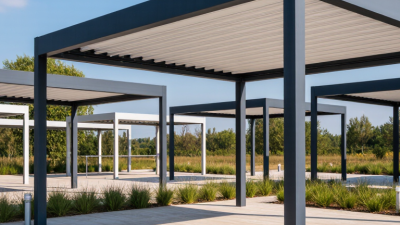
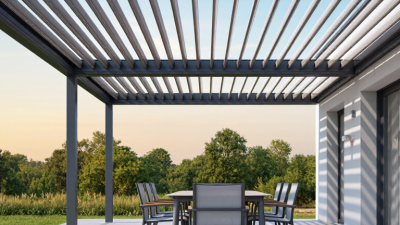
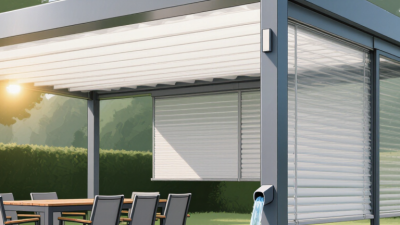
An aluminum louvered pergola combines a strong frame with adjustable roof slats. Its defining feature is the rotating louver system. Louvers can open for sunlight or close during light rain. That control matters. Look for rust-resistant aluminum and a durable powder-coated surface. Ask about drainage channels, because rainwater should flow away from seating areas. Smooth edges, secure hinges, and stable posts also indicate careful construction.
Check how the louvers operate. Manual controls are simple and dependable, while motorized systems offer easier adjustment. Some models include rain, wind, or sunlight sensors. These features can improve comfort, but they also add components that need inspection. Confirm the permitted wind and snow loads for your location. Proper anchoring is essential, especially on exposed patios. Local building requirements should guide installation.
Measure the space before choosing a frame. Leave enough clearance for doors, lighting, and furniture movement. A well-designed pergola should shade people without making the patio feel closed in. I have found that small drainage details often matter more than decorative extras. However, no system is perfect. Louvers may need cleaning after dusty weather, and motors can require occasional service. Review the warranty, maintenance instructions, and replacement-part availability before purchase.
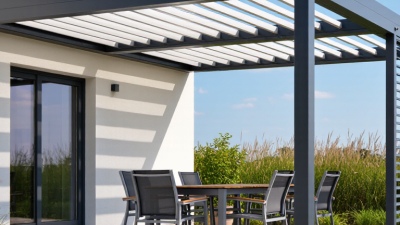
Tip 1: Assess the space before choosing an aluminum louvered pergola. Measure the patio, drainage paths, doors, and overhead branches. Leave enough clearance for louvers to rotate fully. A two-inch mistake can create expensive installation problems. Check whether the surface is concrete, pavers, soil, or a raised deck. Each base needs different anchoring methods. Local building departments may also require permits for attached structures.
Tip 2: Match the pergola to your climate. The U.S. Environmental Protection Agency reports that urban areas can be 1–7°F warmer than nearby rural areas. Shade and airflow therefore matter on exposed patios. Review NOAA’s 1991–2020 Climate Normals for local rainfall, temperature, and wind patterns. In snowy regions, compare the pergola’s documented snow-load capacity with local requirements. ASCE 7-22 offers widely used procedures for evaluating wind and snow loads. Coastal air needs extra attention. Salt can accelerate corrosion around fasteners, even when aluminum resists rust.
Tip 3: Plan installation around real site conditions. Confirm electrical routes, gutter discharge, lighting access, and maintenance space before delivery. A level foundation is not optional. It affects drainage, louver alignment, and motor performance. Ask for engineering documents, anchoring details, and tested load ratings. Do not rely only on attractive renderings. I have seen outdoor projects fail because drainage was treated as an afterthought. Recheck measurements after excavation; this small step may prevent a large correction.
7 Tips for Choosing an Aluminum Louvered Pergola
Choose the Right Pergola Size, Style, and Louver System
Measure the patio before choosing a pergola. Leave walking space around chairs, doors, and grills. A roof that looks generous on paper may feel cramped outside. I once underestimated chair clearance, and the layout became awkward.
Match the pergola size to the building and garden. A narrow yard usually suits a simple rectangular design. Larger spaces can handle multiple zones, such as dining and lounging areas. Check the posts, beams, and anchoring method carefully. Strong aluminum construction still needs a stable foundation. Ask about wind and snow ratings for your local conditions. These details matter more than decorative finishes.
Choose a style that fits the property. Clean lines suit modern walls, while softer proportions may work better beside traditional homes. Think about louver direction, too. Adjustable louvers can guide sunlight, shade, and airflow throughout the day. A motorized system offers convenience, but manual controls may be easier to maintain. Keep the mechanism protected from standing water and inspect moving parts regularly. Small neglect becomes expensive.
Consider drainage before installation. Integrated gutters and downspouts can prevent water from falling near doors or seating. Check the open and closed positions against nearby trees, lights, and roof edges. Leave enough service access for repairs. The perfect design is rarely perfect after installation. Review the plan at different times of day, because shadows change quickly.
Choose the right pergola size, style, and louver system by comparing the usable footprint with your furniture, circulation space, climate, and installation conditions.
These footprint examples are calculated from common rectangular planning dimensions. Confirm local building requirements, wind loads, drainage, and clearance before installation.
Tip 1: Compare aluminum with steel and wood by weight, corrosion resistance, and repair needs. Aluminum resists rust, but salt air can still stain fasteners and joints. The International Aluminium Institute reports that recycled aluminum uses about 5% of the energy required for primary aluminum production. That supports a lower-impact material choice, although recycled content should be verified.
Tip 2: Check alloy, wall thickness, weld quality, and powder-coating certification.
Tip 3: Look for drainage channels and sealed end caps. They prevent water from collecting inside the frame. AAMA 2605 is a demanding coating specification, but it does not guarantee unlimited color life.
Tip 4: Ask for tested structural data, not attractive photographs. ASTM E330 testing evaluates wind-load performance for exterior windows, doors, and similar assemblies. Pergola systems still need project-specific engineering.
Tip 5: Match the structure to local wind and snow loads under ASCE 7-22. One weak anchor can matter more than a strong roof.
Tip 6: Choose louvers with controlled movement, secure locking, and pinch-point protection.
Tip 7: Plan maintenance before installation. Rinse coastal surfaces with clean water, inspect bolts twice yearly, and clear leaves from gutters. The U.S. Consumer Product Safety Commission has repeatedly linked unstable outdoor structures with preventable injuries, so anchoring deserves careful attention. I would not trust vague claims such as “all-weather.” Real exposure is messy. Coatings fade, seals age, and drainage can fail when installation is rushed.
Choosing an aluminum louvered pergola starts with customization, not appearance. Measure the slab, drainage path, sun direction, and clearance near doors. Adjustable louvers, integrated lighting, screens, heaters, and rain sensors can improve daily comfort. They also raise the final price.
A 2024 Houzz U.S. Outdoor Trends Study shows continued homeowner interest in functional outdoor living areas. That supports investing in usable features, not decorative extras. Ask suppliers for wind-load ratings, coating standards, drainage details, and installation drawings. AAMA 2605 is a useful benchmark for high-performance architectural coatings. Still, certification alone does not guarantee good installation.
Compare at least three itemized quotations. Separate the aluminum frame, louvers, electrical work, foundations, delivery, and labor. Industry remodeling reports, including Harvard University’s 2024 Leading Indicator of Remodeling Activity, show that project costs and demand can shift quickly. Leave room for site surprises. I once saw a low quote become expensive after concealed drainage work was added.
Read every warranty carefully. Check coverage periods for structure, finish, motors, controls, and labor. Ask whether coastal exposure, wind, fading, or unauthorized modifications are excluded. A reliable supplier should provide maintenance instructions and reachable service contacts. Verify project photos, trade credentials, insurance, and references from similar climates. Do not judge only by catalog images. A perfect render can hide weak detailing.