Choosing a Folding Awning is not just a matter of color or price. It is a practical decision about shade, weather exposure, and how you use your outdoor space. The U.S. Department of Energy’s Energy Saver guidance reports that window awnings can reduce solar heat gain by up to 65% on south-facing windows and 77% on west-facing windows. These figures depend on conditions, including window orientation and awning design. They are useful context, not a promise for every home. Small details matter.
Start with the space you need to cover. Measure the wall width, desired projection, and clearance above doors or windows. Then consider the frame material, fabric performance, operating method, and mounting surface. A retractable design offers flexibility, but it still needs suitable installation and regular care. Check the maker’s wind guidance, and retract the awning in severe weather unless its specifications say otherwise. Fabric samples can also look different in full sun than they do indoors.
This guide explains how to compare Folding Awning options against real needs, rather than relying on showroom appeal alone. It considers shade, durability, maintenance, installation, and budget. Manufacturer specifications and professional installation advice are valuable, especially when the wall material or fixing points are uncertain. A checklist helps, but it cannot replace inspecting the actual site. That part is easy to overlook. Even a well-chosen awning may disappoint if its projection blocks a doorway or its fabric clashes with the building. The best choice is the one that fits your space and habits—not simply the one with the longest feature list.
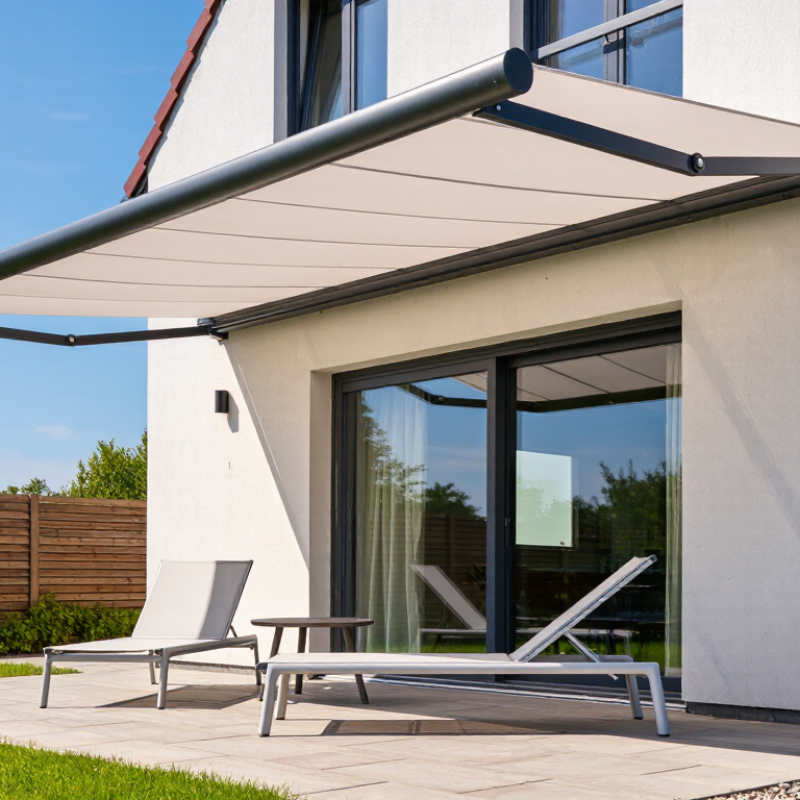
Measure the area before comparing folding awnings. Note the wall width, available projection, and nearby doors, lights, or gutters. A narrow balcony may need a compact unit that leaves a clear walking path. A patio used for dining may benefit from broader shade over the table. Small details matter. Check how the awning folds, too; an open door or low eave can limit its movement.
Match the awning to your local weather and the way you plan to use it. Hot, sunny conditions call for useful UV protection, while frequent gusts make secure mounting and easy retraction especially important. Folding awnings are not all-weather shelters. Follow the maker’s wind and rain guidance, and retract the unit when conditions exceed its limits. Wind changes everything. If you want shade for occasional meals, manual operation may be enough; daily use might make easier operation worth considering. There is no perfect choice: more coverage can also mean more space and sturdier mounting are needed.
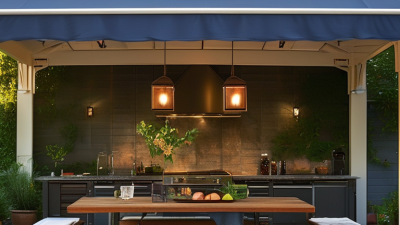
Folding awnings differ in how their frames extend and support the fabric. Lateral-arm designs project outward without front posts, leaving a clear area beneath the canopy. Folding-arm joints and tensioned fabric do the work, so inspect hinge quality and the maker’s wind guidance. Drop-arm designs pivot downward and suit windows better than deep patios. Some folding frames use support legs; these add stability but can obstruct a doorway or seating area. Small details matter.
Manual crank systems are simpler and work during power outages, though repeated operation can feel tiring on a wide awning. Motorized systems open quickly, but depend on electricity and may need servicing. I would not treat a motor as an automatic upgrade. According to the U.S. Department of Energy’s Energy Saver guidance, window awnings can reduce summer solar heat gain by up to 65% on south-facing windows and 77% on west-facing windows. Those figures concern window shading, not every patio awning, but they show why orientation and coverage matter. Before choosing, measure the projection, check the wall fixing surface, and ask how the frame should be retracted in gusty weather. Not always obvious.
Measure the space before comparing awnings. Check the width of the area you want shaded, then note how far the awning can extend without blocking a doorway or walkway. A compact balcony may need a narrower canopy, while a patio table needs shade beyond its edges. Leave room for the frame to open fully. Small details matter. I have seen measurements taken against a wall, only for a drainpipe to interfere with the brackets.
Material affects comfort, upkeep, and how well the canopy holds up outdoors. Polyester is often lightweight and quick to dry, while acrylic fabrics can offer strong color retention. Check whether the fabric has a water-repellent finish, but do not assume that means it is suitable for heavy, standing rain. Seams and stitching matter, too. Look closely at corners, where fabric tension can reveal weak construction. A sturdy frame helps, but extra weight may make folding and carrying less convenient.
Weather resistance should match your actual conditions. For sunny, breezy locations, consider UV protection and a frame that feels stable when extended. If sudden gusts are common, choose a model that folds away easily; no portable awning should be treated as storm-proof. I still find this part easy to underestimate. Read the care instructions, and check whether the canopy can be replaced or cleaned without special tools. A sample swatch, if available, can also show how the fabric looks in your own light.
A folding awning is only as dependable as its installation. Check the wall or soffit for sound, solid support, not just a convenient mounting spot. Fasteners must suit the actual surface; brick, timber, and siding need different approaches. Follow the installation manual, and ask a qualified installer if the structure or fixing method is uncertain. Small details matter. Confirm the awning clears doors, windows, and outdoor lights when fully extended. A slight slope also helps rain drain away instead of pooling on the fabric.
Before using it, test the opening and closing motion while watching the brackets and arms. They should move smoothly, without scraping, twisting, or unusual noise. Learn the model’s wind limits and retract it when conditions approach them. Do not treat the awning as storm protection. A calm-day test is useful, but it cannot reveal every problem; check the fittings again after initial use.
Maintenance is simple, but easy to postpone. Brush off leaves and dust, then clean the fabric with mild soap and water if needed. Let it dry before folding it away to reduce the chance of mildew. Avoid harsh cleaners or a pressure washer unless the manual specifically allows them. Inspect seams, moving joints, bolts, and visible corrosion a few times each season. If an arm looks bent or the fabric pulls unevenly, stop operating it and arrange an inspection. I might be tempted to tighten everything myself, but guessing at load-bearing parts can make a small issue worse.
When comparing folding awnings, look beyond the price on the tag. A low-cost model may use lighter tubing or thinner fabric, which can wear faster with frequent setup. Check the frame material, fabric weight, seam quality, and the ease of replacing parts. Small details matter.
Features should fit the place and routine. Measure the doorway or patio before buying, then compare the open width, projection, and folded size. A tilt adjustment can help manage changing sun, while a carry bag makes transport easier. Check the stated wind guidance, too; no folding awning should be treated as a permanent shelter in strong gusts. That matters.
Long-term value depends on how often you use it and how carefully you store it. A sturdier frame may cost more upfront, but fewer repairs could offset that difference over several seasons. Let fabric dry before packing it away, and keep the frame clean. These habits help, though they cannot prevent every failure. I would compare warranty terms and replacement-part availability, but those details can be easy to overlook. Not always obvious. A slightly higher price is not automatically better value; match the added features to your actual needs.