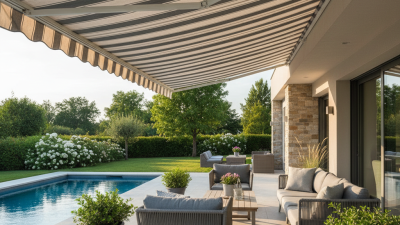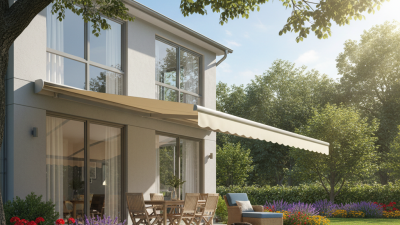
A Folding Awning can turn an exposed patio into a cooler, more usable outdoor room. It creates shade above a dining table, softens harsh afternoon light, and helps protect cushions from light weather. Unlike a fixed roof, it can retract when sunlight or an open sky is preferred.
The real value appears in daily details. A family may open the awning during breakfast, adjust its angle before noon, and close it before strong evening winds. Michael Gerling, a respected awning industry executive, describes the design goal this way: “A good awning should extend outdoor living without making the space feel engineered.” That idea matters. The best installation should feel natural, not oversized or difficult to operate.
Material quality also deserves close attention. Powder-coated frames can resist ordinary outdoor exposure, while solution-dyed acrylic fabric usually offers dependable color retention. Still, no Folding Awning is maintenance-free. Dust gathers along the cassette, water can remain on poorly angled fabric, and mechanical parts may need inspection. I have seen attractive installations become frustrating because drainage and wall strength were treated as minor details. That mistake is easy to repeat.
This guide examines practical reasons to choose a Folding Awning, including comfort, flexibility, energy awareness, appearance, and long-term care. It also considers limitations honestly. Local climate, mounting conditions, fabric quality, and professional installation can change the result significantly. A thoughtful choice begins with the space itself, not with a fashionable product photograph.
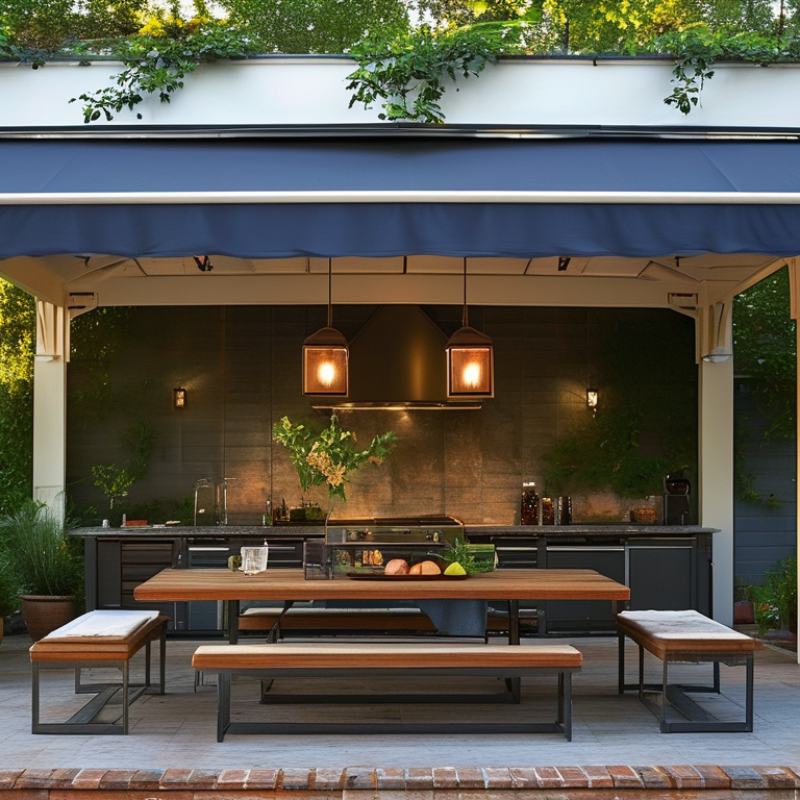
A folding awning is a retractable outdoor shade structure fixed to a wall, beam, or strong roof edge. It uses hinged folding arms to extend fabric over a patio, balcony, window, or seating area. When opened, the arms push the fabric outward and create a broad shaded zone. When closed, the arms fold neatly beneath the housing, leaving much of the wall visible.
It is simple.
The fabric usually rolls around a tube, while a manual crank or motor controls movement. Some systems include a protective cassette that shields the rolled fabric from dust and light rain. In practical installations, the wall strength matters as much as the awning itself. A weak fixing point can cause movement, noise, or premature damage. The pitch also needs adjustment, because a flat awning may collect water instead of directing it away. Experienced installers check the brackets, fasteners, arm alignment, and drainage path before final use.
An awning is not a permanent shelter. Strong wind, heavy rain, and snow can strain its joints and fabric. A useful habit is retracting it when weather changes suddenly. I once underestimated how quickly wind can rise beside tall buildings. That mistake changed my maintenance routine. Regularly cleaning leaves, checking loose bolts, and allowing damp fabric to dry can extend service life. The system offers flexible shade, but it still requires sensible operation and occasional inspection.
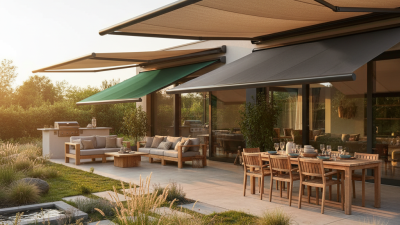
A folding awning can turn an exposed patio into a more usable outdoor room. Its retractable fabric controls sunlight without blocking the entire view. In daily use, this matters during bright lunches, warm afternoons, and sudden light rain. A wall-mounted system also avoids permanent posts, preserving walking space and simplifying garden planning. Quality models usually allow adjustable projection and angle. This gives homeowners practical control over shade throughout the day.
The main benefit is flexible comfort. Extend it when UV exposure rises, then fold it away during cooler evenings or strong wind. Retracting the cover can reduce dirt buildup and make seasonal maintenance easier.
From installation experience, accurate wall assessment matters as much as fabric quality. Masonry, fixings, drainage, and clearance should be checked before purchase. Poor support may cause movement, sagging, or avoidable repair costs. It is not completely maintenance-free. Inspect joints, fabric tension, and moving parts regularly.
Tips: Measure the patio at several points, because walls are rarely perfectly level. Choose fabric suited to your local sunlight and rainfall patterns. Leave enough clearance above doors and windows. Ask a qualified installer to confirm load requirements and safe fixing points. If the awning feels unstable, retract it and arrange an inspection. Small compromises during planning can become frustrating later.
Why Choose a Folding Awning for Your Outdoor Space?
A folding awning can make an outdoor area feel like another room. It blocks harsh sunlight while allowing fresh air to move underneath. This balance improves comfort during warm afternoons, especially above patios, balconies, and dining areas. Adjustable extension also helps control glare on windows and reduces heat near indoor seating. In practical use, small changes matter. Moving the awning slightly can create shade without making the space feel dark.
Comfort depends on more than shade alone. Choose a frame that suits local wind conditions, and follow the installer’s guidance carefully. Water-resistant fabric can handle light showers, but it should not replace proper shelter during heavy rain. A gentle slope helps water drain, while clean fabric prevents stains and trapped moisture. It is not a cure-all. Poor installation, neglected joints, or excessive wind can reduce performance quickly. I would also leave enough clearance for doors, lights, and people walking beneath it.
Tips: Extend the awning before the sun becomes intense. Retract it during strong winds. Check hinges and mounting points every few months. Keep the fabric dry before folding it away. These habits are simple, though easy to forget. A small reminder near the control can help.
Exterior awnings can significantly reduce solar heat gain during summer. The U.S. Department of Energy reports reductions of approximately 65% for south-facing windows and 77% for west-facing windows. By creating adjustable shade, a folding awning can help keep patios, balconies, and adjacent indoor areas cooler and more comfortable.
Source: U.S. Department of Energy, “Energy Saver: Window Awnings and Overhangs.”
Why Choose a Folding Awning for Your Outdoor Space?
Important Factors for Selecting the Right Awning
A folding awning can make a patio cooler, drier, and more useful. However, appearance should not be your only consideration. Measure the wall width, projection, and clearance above doors before comparing products. A small error can reduce shade or obstruct movement. Check where rainwater will flow, especially near windows and entrances.
The frame should match your local weather conditions. Aluminum is generally light and resistant to corrosion. Stronger joints matter in areas with frequent wind. Ask for tested wind limits, fabric specifications, and installation guidance. A solution suitable for calm weather may perform poorly near the coast. The fabric should provide UV protection and resist fading, mildew, and light rain. Darker colors often absorb more heat, although they may hide dirt better.
Mounting quality is equally important. Brick, concrete, and hollow walls require different fasteners and support methods. A qualified installer can inspect the wall and confirm safe attachment. Check the operating mechanism, maintenance requirements, warranty terms, and available replacement parts. Local building rules may also apply. Do not skip them.
Keep it practical.
One mistake is choosing the widest awning without checking wind exposure. I have seen beautiful installations become difficult to operate after seasonal movement. A careful selection may look less dramatic, but it usually delivers steadier comfort and longer service. Recheck measurements before ordering. This simple step is easy to overlook.
| Selection Factor | Typical Data or Range | What to Check Before Choosing | Practical Benefit of a Folding Awning |
|---|---|---|---|
| Projection | Approximately 1.5–4.0 metres for many residential folding awnings. | Measure the available horizontal distance from the wall and leave enough clearance for doors, windows, walkways, and furniture. | Creates adjustable shade without permanently occupying the entire outdoor area. |
| Awning Width | Common residential widths are approximately 2–6 metres, depending on the design and mounting structure. | Confirm the wall width, fixing points, bracket spacing, and whether the awning will cover the full seating or dining area. | Provides broad, wall-mounted coverage while keeping the ground space open. |
| Adjustable Pitch | Many folding awnings allow an inclination of roughly 5–30 degrees, depending on the model. | Choose an angle that improves shade at the required time of day and allows water to drain away during light rain. | Lets you modify shade performance as the sun’s position changes. |
| Fabric Sun Protection | Solution-dyed acrylic and coated polyester fabrics can provide high UV blocking; actual performance varies by colour, weave, and fabric specification. | Look for documented UV-protection information, colour-fastness performance, fabric weight, and resistance to mildew and fading. | Reduces direct sunlight and can make an adjoining patio, balcony, or room more comfortable. |
| Rain Performance | Most folding awnings are designed primarily for shade and light showers, not as a fully waterproof roof. | Check the fabric coating, seam construction, minimum pitch, drainage requirements, and whether the awning must be retracted during heavy rain. | Offers flexible weather protection while avoiding the weight and permanence of a solid roof. |
| Wind Resistance | Wind tolerance varies substantially by size, frame, installation, and product classification; many awnings should be retracted in strong or gusty wind. | Review the manufacturer’s wind guidance, local exposure, wall strength, fixing method, and automatic wind-sensor options. | The retractable design allows the fabric and arms to be stored when conditions become unsuitable. |
| Operation Type | Manual crank systems are common; motorised systems may use a wall switch, remote control, or smart-home control. | Consider the awning size, frequency of use, access to power, control position, and whether automation is important. | Makes shade easy to adjust and allows the outdoor area to serve multiple purposes throughout the day. |
| Frame and Arm Material | Aluminium is widely used because it is relatively light and corrosion-resistant; steel components may provide additional strength but can add weight. | Check frame coating, arm construction, corrosion protection, fastener quality, and compatibility with the mounting surface. | A suitable frame balances durability, operating smoothness, installation load, and long-term appearance. |
| Mounting Surface | Suitable fixing may be possible on masonry, reinforced concrete, or structurally sound timber, subject to correct anchors and load calculations. | Identify studs, beams, lintels, or solid masonry before installation. Do not rely only on cladding, render, or weak decorative surfaces. | Proper mounting improves stability and reduces the risk of wall or awning damage. |
| Cassette Protection | Open, semi-cassette, and full-cassette designs provide progressively greater protection for the rolled fabric and folding arms. | Select a full cassette for greater exposure to dust and weather; consider an open design where the awning is sheltered and budget is a priority. | Retracting the awning protects the fabric and preserves a cleaner exterior appearance. |
| Clearance and Headroom | Required clearance depends on projection, pitch, mounting height, and the position of doors or windows. | Check the front-bar height when extended, folding-arm movement, door swing, window operation, and safe passage below the awning. | Provides shade without creating an obstruction in commonly used circulation areas. |
| Energy and Indoor Comfort | Exterior shading can reduce solar heat gain through nearby windows, but the result depends on orientation, glazing, fabric, and climate. | Prioritise windows facing strong afternoon sun and coordinate the awning projection with the height and size of the glazing. | Can help reduce glare and cooling demand during sunny periods when used correctly. |
| Maintenance Requirements | Routine care usually includes removing loose dirt, allowing fabric to dry before retraction, inspecting fixings, and cleaning according to fabric instructions. | Choose a fabric with suitable stain, mildew, and colour-fade resistance for the local climate and expected usage. | Retracting the awning when not needed can limit exposure and simplify long-term maintenance. |
| Space Flexibility | The awning can be extended when shade is needed and retracted when sunlight, open sky, or unobstructed views are preferred. | Consider how often the patio changes from dining or entertaining space to an open garden, balcony, or access route. | Combines outdoor comfort with the flexibility of an open space without installing a permanent structure. |
| Installation and Safety | Installation requirements depend on awning size, wall construction, height, local building rules, and electrical work for motorised systems. | Use suitable structural fixings, follow the installation instructions, and arrange qualified electrical work where required. | Correct installation supports safe operation, reliable retraction, and better resistance to everyday loads. |
Choosing a folding awning can improve shade, comfort, and outdoor usability. Installation begins with accurate measurements and a careful wall inspection. A qualified installer should check masonry strength, fixing points, and expected wind exposure. The wall must support repeated opening and closing forces.
Measure twice. Drill once. I would not treat installation as a quick weekend task. Check local building requirements before fixing the frame.
Daily operation should remain smooth and controlled. Keep fabric clear of chairs, branches, and hanging lights. Open the awning fully when conditions are calm. Do not force a stiff arm or crank. During sudden wind, retract the awning promptly.
A manual crank needs steady pressure, not sudden pulling. Motorized systems should include clear controls and safe electrical connections.
Small details matter.
Maintenance protects both appearance and moving parts. Remove leaves after storms, especially near the cassette and hinges. Wash the fabric with mild soap and clean water. Avoid harsh chemicals and abrasive brushes. Let the fabric dry completely before retracting it.
Inspect joints, brackets, and stitching several times each season. Small cracks deserve attention.
If water collects near the wall, investigate the slope and drainage path.
Keep a simple repair record.
Some owners overlook this. That pause can prevent a costly failure.