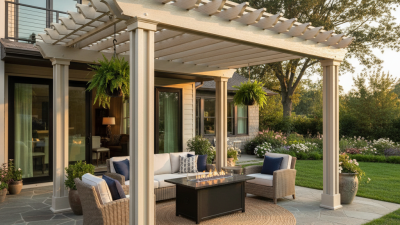
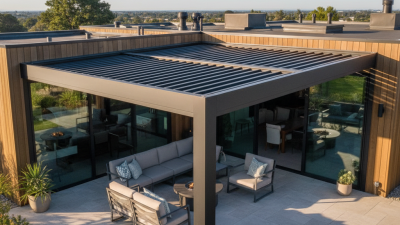
Why Choose Louver Shading for Energy Efficiency and Comfort?
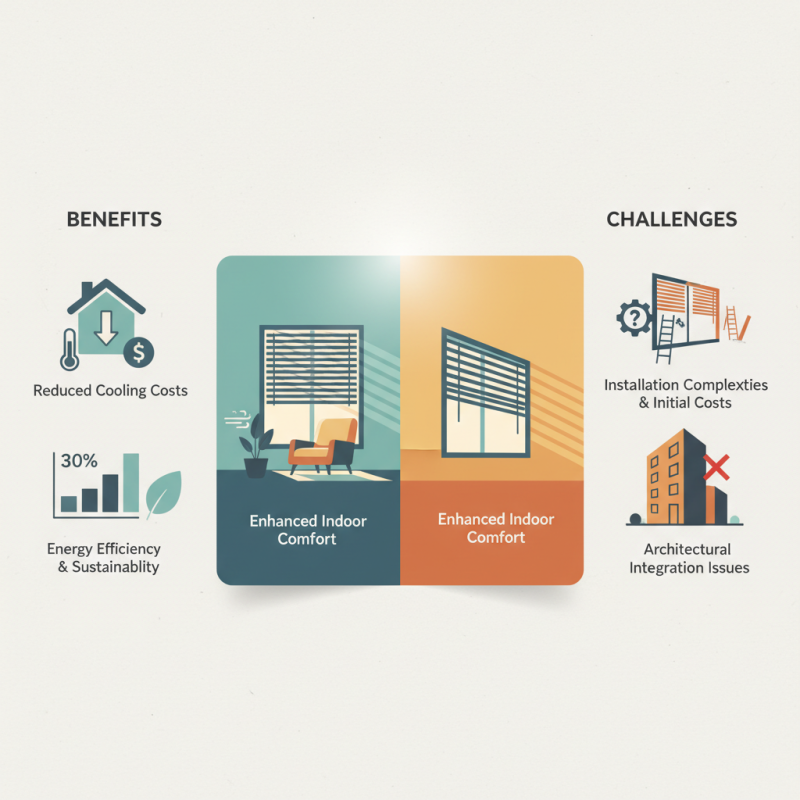
In a world increasingly focused on sustainability, "Louver Shading" stands out as a promising solution for energy efficiency. Research by the U.S. Department of Energy indicates that proper shading can reduce cooling costs by up to 30%. This statistic highlights the significant impact that effective shading strategies can have on energy bills and overall comfort.
Dr. Emily Roberts, an expert in architectural design, emphasizes, "Louver Shading not only cuts energy consumption but enhances indoor comfort." Her statement resonates with the growing demand for solutions that address environmental and economic concerns simultaneously. As buildings account for nearly 40% of global energy use, optimizing shading systems is crucial.
However, adoption remains inconsistent. While many understand the benefits, installation challenges and initial costs can deter implementations. Furthermore, not all building designs accommodate Louver Shading systems seamlessly. Observing these complexities is essential for a holistic approach to energy management. Embracing Louver Shading may require overcoming practical hurdles, yet the long-term advantages could be substantial for both the environment and occupant comfort.
Benefits of Louver Shading for Energy Efficiency
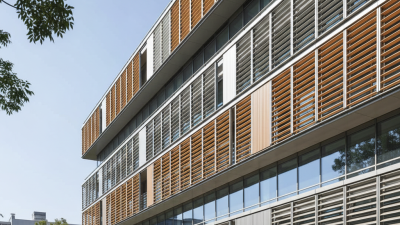
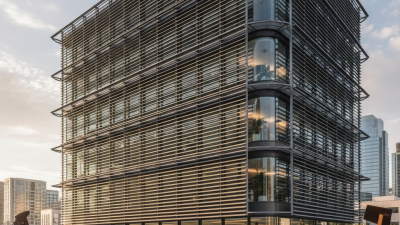
Louver shading provides a practical solution for energy efficiency in modern architecture. These adjustable slats allow natural light to filter in while minimizing heat gain. During hot months, they block sunlight effectively, reducing reliance on air conditioning. When the sun is low, simply adjust the louvers for optimum light and warmth. Homeowners can enjoy a bright space without excessive heat.
Comfort is equally important. Louver shading creates a balanced indoor climate. The ability to control your environment promotes wellbeing. However, improper installation can lead to gaps. These gaps may allow excess heat, which negates energy efficiency. Regular maintenance is important to prevent this issue.
Another aspect to consider is design versatility. Louvers come in various materials and colors, fitting different aesthetics. They can enhance a building’s appearance while providing practical benefits. Yet, some might overlook the importance of functionality in design. Striking the right balance between style and efficiency takes thought.
How Louver Design Enhances Natural Light and Ventilation
Louver design plays a pivotal role in enhancing natural light and ventilation within buildings. Research indicates that well-designed louvers can increase daylight penetration by 25%, significantly reducing the need for artificial lighting. Additionally, they can help maintain a comfortable indoor temperature without excessive reliance on air conditioning systems.
Natural ventilation is also improved through louver systems. By allowing for strategic air flow, these designs can reduce indoor air pollutants and enhance comfort. A study found that implementing cross-ventilation strategies with louvers can lower energy consumption by up to 30%. In climates with hot summers, this can be especially beneficial. However, achieving the perfect balance is challenging.
There can be issues with glare and heat gain if louvers are not properly oriented. Many designs must be adjusted seasonally to maximize benefits. In some cases, building occupants might find certain angles unappealing or disruptive. It's essential to evaluate these factors carefully to optimize both light and ventilation, ensuring energy efficiency while maintaining comfort.
Impact of Louver Shading on Indoor Temperature Regulation
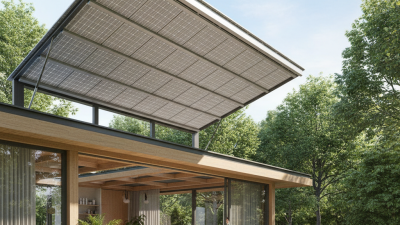
Louver shading can significantly affect indoor temperature regulation. These systems allow natural light while blocking unwanted heat. The adjustable slats let you control how much sun enters a room. When angled correctly, they can deflect heat and reduce glare. This balance creates a comfortable living space.
In hot summer months, louver shading can be crucial. It keeps the indoor environment cooler. Bright sunlight can raise temperatures swiftly. Yet, with louver systems, you gain control over this heat inflow. However, the effectiveness may vary based on slat orientation and local climate conditions. Regular adjustment may be necessary to maintain comfort levels.
Despite their benefits, louver systems require maintenance. Dust and debris can accumulate, impacting performance. If not cleaned, they may not function as intended. Users sometimes forget to make adjustments according to changing weather. This oversight can lead to discomfort indoors. Therefore, regular attention to louver settings is essential for optimal energy efficiency.
Impact of Louver Shading on Indoor Temperature Regulation
| Dimension |
Data |
| Average Indoor Temperature (°C) |
21 |
| Temperature Variation with Louver Shading (°C) |
2 - 5 |
| Energy Savings (%) |
15 - 30 |
| Reduction in Cooling Costs (%) |
20 |
| Increased Natural Light (%) |
50 |
| User Comfort Rating (1-10) |
8 |
Comparative Analysis: Louver Shading vs. Traditional Window Treatments
Louver shading offers a unique solution compared to traditional window treatments. Unlike heavy drapes, louvers allow for adjustable light control. This means you can direct natural light without overheating your space. The ability to tilt the blades gives you flexibility. On sunny days, simply angle them to reduce glare.
Traditional options often block views and trap heat. They can make rooms feel dark and stuffy. In contrast, louvers promote airflow. They create a more comfortable environment, enhancing energy efficiency. This is especially valuable in warmer climates. Yet, some users may find them difficult to clean and maintain. Dust can accumulate on the blades, requiring regular attention.
Consider the aesthetics as well. Louvers can be sleek and modern. They fit various designs, unlike some bulky curtains. However, they may not provide full privacy. The choice between style and function is critical. Balancing these factors requires thought. Each option has its pros and cons, necessitating careful consideration.
Sustainability and Environmental Benefits of Using Louvers
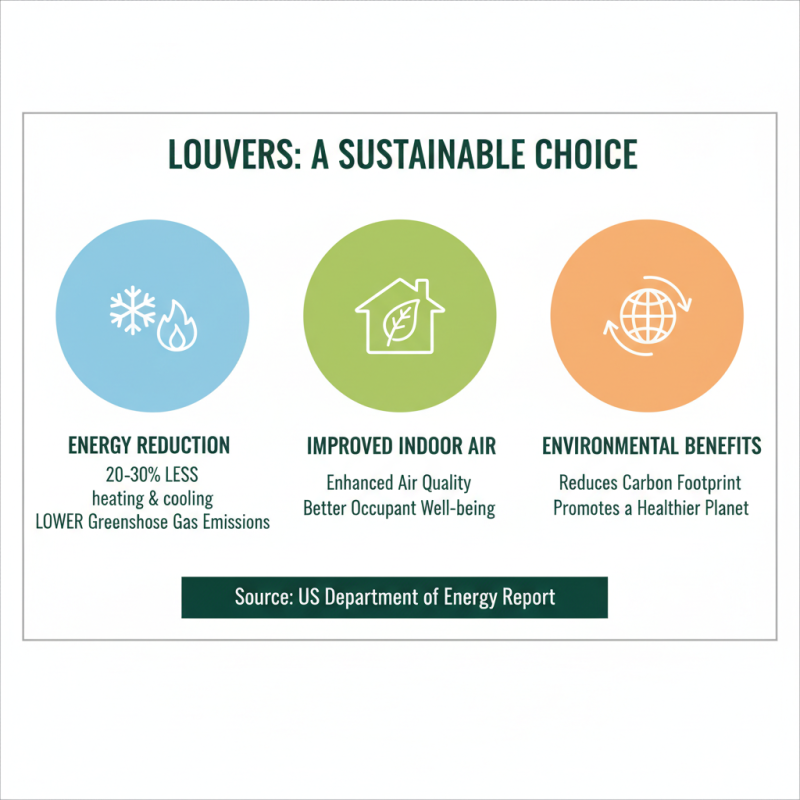
Louver shading has gained attention for its sustainability and environmental benefits. According to a report by the U.S. Department of Energy, adjustable louvers can reduce energy consumption for heating and cooling by 20-30%. This reduction significantly lowers greenhouse gas emissions, contributing to a healthier environment. Buildings utilizing louver systems have been shown to enhance indoor air quality, which is crucial for occupant well-being.
Using louvers strategically can optimize natural light, reducing reliance on artificial lighting. Studies show that maximizing daylight can decrease lighting energy use by up to 50%. This is not just about energy savings; it improves the mood and productivity of occupants. When well-designed, louvers create comfortable spaces that adapt to changing weather conditions.
Tips for homeowners: Regular maintenance of louver systems ensures maximum efficiency. Consider the orientation of your louvers to capture the best natural light and ventilation. Reflect on how much energy your current windows and shades consume. Thinking sustainably can lead to better choices for your home and the planet.