10 Essential Tips for Choosing an Aluminum Louvered Pergola?
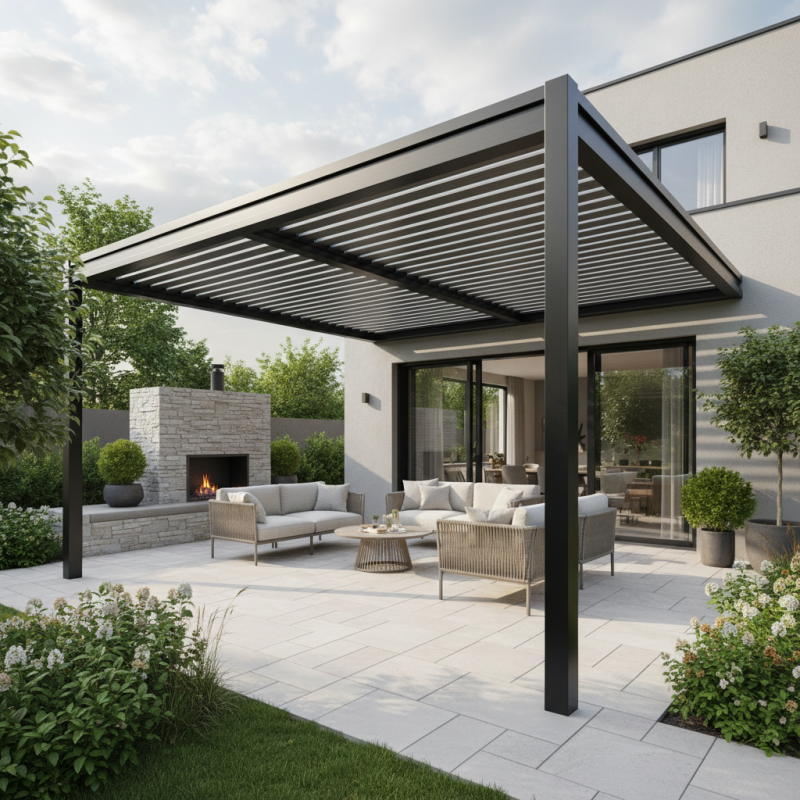
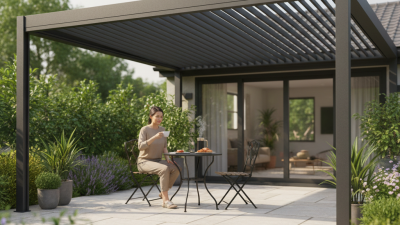
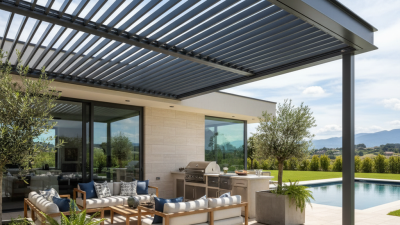
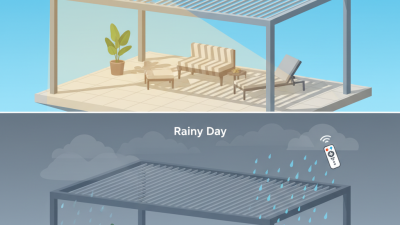
Choosing an Aluminum Louvered Pergola can transform your outdoor space. It provides shade on sunny days and allows light when you need it. This versatile structure adds style and functionality to any backyard.
However, selecting the right one can be challenging. There are many styles, materials, and features to consider. Each decision impacts your comfort and satisfaction. For instance, the louver angle can significantly affect light and temperature.
Personal preferences matter, but functionality shouldn’t be overlooked. You might want a pergola that complements your home. Yet, what about durability? A well-chosen Aluminum Louvered Pergola lasts longer and requires less maintenance. Reflecting on these choices ensures you invest wisely.
Understanding Aluminum Louvered Pergolas and Their Benefits
Aluminum louvered pergolas are a popular choice for outdoor spaces. They offer flexibility and control over light and ventilation. According to a report by MarketsandMarkets, the outdoor living market is projected to reach $24 billion by 2025, with aluminum pergolas gaining significant interest. Their durability and minimal maintenance needs are key drivers.
These structures can significantly enhance the usability of outdoor areas. Homeowners appreciate the adjustable louvers, allowing them to fine-tune sunlight exposure. Some studies show that having a covered outdoor space improves home value by up to 10%. However, many overlook installation costs, which can vary widely based on location and design complexity.
Design variation also plays a role. A poorly chosen style might clash with the home’s architecture. While aluminum is not as warm as wood, it offers long-lasting performance. Reflect on your climate conditions too; an unsuitable design may suffer from rust or water pooling. The appeals of aluminum pergolas are clear, yet careful consideration is essential to maximize their benefits.
Assessing the Size and Space Requirements for Your Pergola
When selecting an aluminum louvered pergola, assessing size and space requirements is crucial. Consider the dimensions of your outdoor area. A report from the American Institute of Architects indicates that 70% of homeowners regret not considering the size properly. Many choose pergolas that overwhelm their space or feel too cramped.
Measure your patio or garden before making a decision. Aim for at least 100 square feet for a comfortable seating area. An ideal pergola height is around 8 to 10 feet to maintain an open feel. Placement matters too; ensure it complements your home’s architecture and does not block essential views. A study from the National Association of Home Builders notes that poorly placed structures can diminish property value.
Visualize how you will use the space. Will it be for entertaining or relaxation? These activities require different setups. If entertaining, consider a larger footprint with more clearance. Failure to account for these details can lead to regret. Many homeowners end up with structures that don’t fulfill their intended purpose, resulting in wasted space and frustration. Prior planning is essential to ensure your pergola enhances your outdoor lifestyle.
Evaluating the Material Quality and Durability of Aluminum
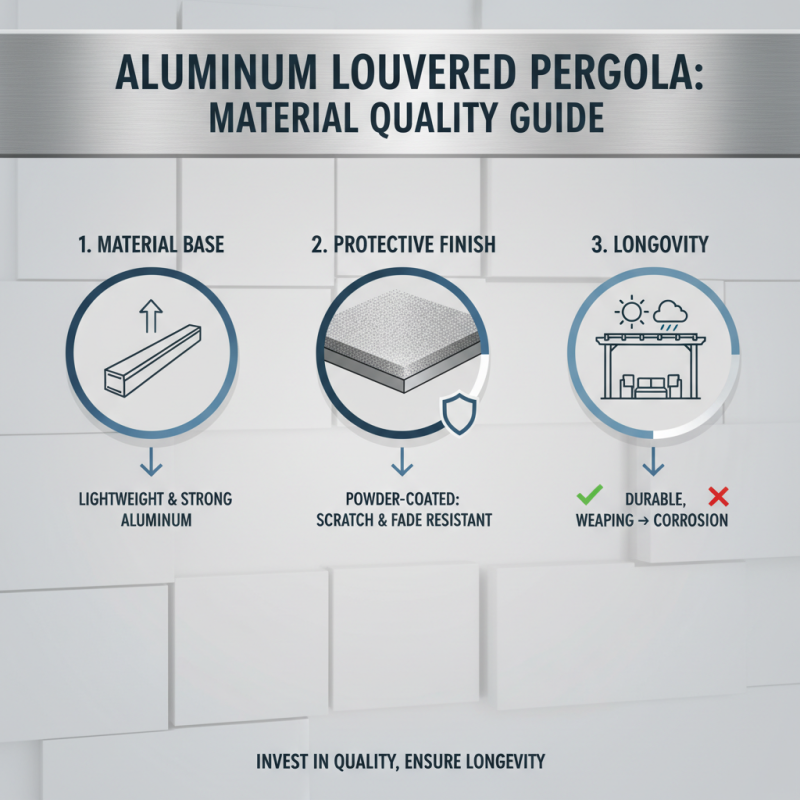
When selecting an aluminum louvered pergola, assessing material quality is vital. Aluminum is lightweight but should have a strong, durable finish. Look for a powder-coated surface that resists scratches and fading. A good coating helps protect the metal from weather elements. Some finishes may chip more easily. This can lead to corrosion over time.
Durability is key in outdoor structures. The pergola should withstand wind, rain, and sun exposure. Choose thicker gauge aluminum for greater strength. It’s also wise to consider the design features. Some designs incorporate reinforcement, which enhances stability. Be cautious, as not all products with sleek designs ensure lasting performance. Remember, your choice should balance aesthetics and function. It’s easy to be drawn to colors and styles, but the material must hold up under pressure.
Selecting the Right Design Style for Your Outdoor Aesthetic
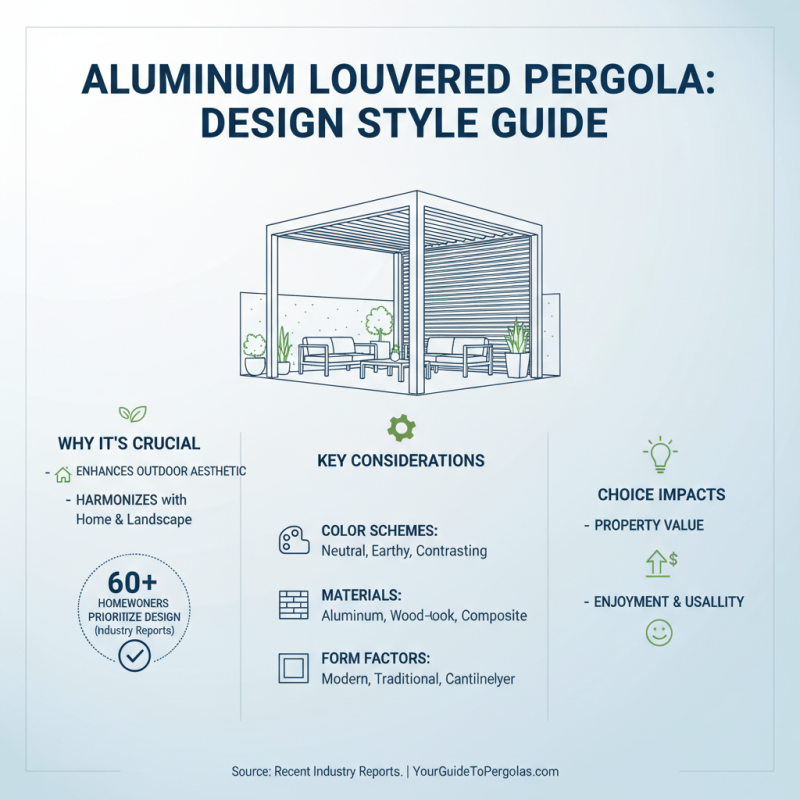
When choosing an aluminum louvered pergola, design style is crucial for enhancing your outdoor aesthetic. A well-chosen style can harmonize with your home’s architecture and landscape. According to recent industry reports, over 60% of homeowners prioritize design compatibility when selecting outdoor structures. Color schemes, materials, and form factors should all be considered.
Consider integrating natural elements into your pergola design. For example, a minimalist aluminum structure can work beautifully with abundant greenery. Some homeowners prefer bold colors or patterns. This choice reflects personal style and can enhance outdoor enjoyment. However, it’s important to remain aware of local trends and climate conditions that can influence the decision.
Don’t forget about function. Many people overlook how a pergola’s design will affect usability and comfort. A well-designed louvered system can provide adjustable shade. Still, if it clashes with your home’s style, it might create an uninviting atmosphere. Balancing aesthetic and practicality should be a key focus.
Considering Installation and Maintenance Factors for Longevity
When selecting an aluminum louvered pergola, consider installation and maintenance for the best longevity. The installation process can be quite challenging. Proper planning is key here. Ensure the site is level and well-drained to prevent future problems. If you’re unsure, hiring professionals could make a difference. Some may find this an unnecessary expense, but it often pays off in durability.
Maintenance does not have to be tedious. Regularly check for debris accumulation in the louvers. A simple brush or hose can help keep them clean. Some homeowners forget to inspect joints and hinges, which can lead to minor but costly repairs later. Using a sealant on metal parts can prevent rust and extend the life of your pergola. Remember, neglect can overshadow the aesthetic you wanted. Each step you take now counts towards long-term enjoyment.