How to Choose the Best Patio Gazebo for Your Outdoor Space?
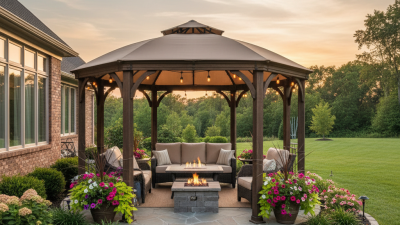
When it comes to creating an inviting outdoor space, a well-chosen Patio Gazebo can make all the difference. These structures provide shelter, comfort, and style, perfect for entertaining or relaxing. Choosing the right gazebo, however, can be challenging. With various designs, materials, and sizes available, making an informed decision is crucial.
Consider your outdoor area’s size and design. A large gazebo in a compact yard may feel overwhelming. Conversely, a small gazebo in a vast space may seem lost. Assess your needs: do you need a space for gatherings or quiet retreats? Take time to visualize how a Patio Gazebo will fit into your lifestyle.
Remember, no choice is perfect. Sometimes, a gazebo can block sunlight or create too much shade. Reflect on these aspects while shopping. Understanding the trade-offs will guide you toward a choice that enhances your outdoor experience. Prioritizing quality, versatility, and aesthetics will lead you to the ideal Patio Gazebo, creating a delightful atmosphere for years to come.
Understanding Your Outdoor Space and Needs
When selecting the perfect patio gazebo, understanding your outdoor space is crucial. Consider the size of your area. A small backyard might require a compact gazebo, while larger spaces can accommodate more expansive designs. Measure your space accurately. This ensures that the gazebo fits well without overwhelming the area.
Next, think about your needs. Do you host gatherings often? A larger gazebo with ample seating and shade provides a gathering point. Conversely, if you're looking for a quiet retreat, a smaller structure might suffice. It's also important to consider prevailing weather conditions. Be mindful of wind and rain patterns, which can affect your gazebo’s placement.
Lastly, aesthetics matter too. Choose a style that complements your home's exterior. However, don’t shy away from personal touches. Sometimes, an imperfect design can add character. Look for materials that align with your maintenance capabilities. Achieving balance between beauty and practicality can be challenging. Reflect on what matters most to you.
Exploring Different Types of Patio Gazebos
When exploring different types of patio gazebos, the options can feel overwhelming. You might choose a pop-up gazebo for quick setup. These tend to be lightweight and portable, perfect for spontaneous outings or temporary shade. However, their durability may not withstand storms.
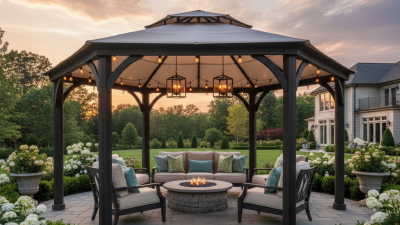
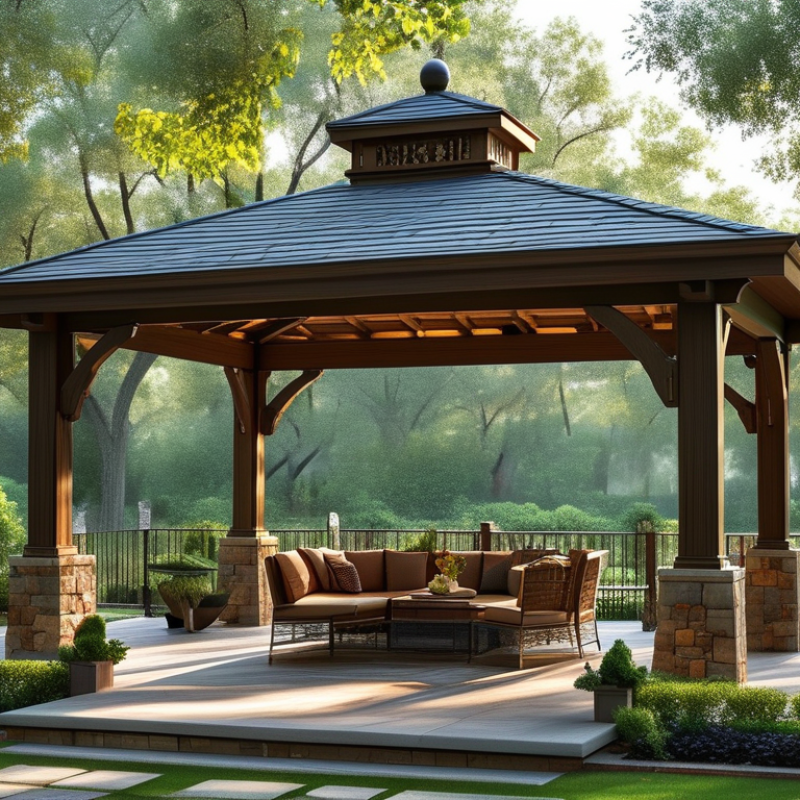
Permanent structures, like wooden or metal gazebos, offer greater stability. They often become a focal point for gardens or yards. You can customize these to fit your aesthetic. However, the installation process can be complex. This adds potential costs and effort.
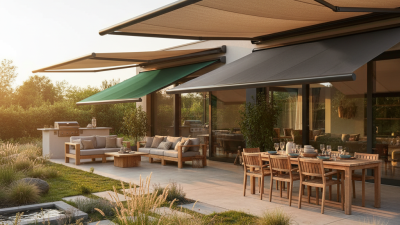
Fabric gazebos provide a versatile choice. They come in various styles, adding elegance to outdoor spaces. Ensure the fabric is water-resistant and UV protected for long-lasting wear. It's essential to consider the size of your area. A larger gazebo might dominate a small space, while a smaller one may look lost in a vast garden. Choose thoughtfully.
Key Features to Consider When Choosing a Gazebo
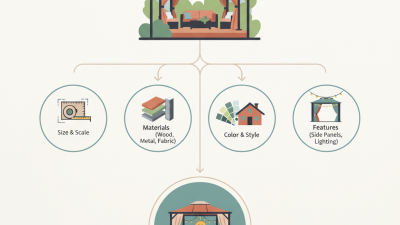
When choosing a patio gazebo, consider the materials. Common options include wood, metal, and fabric. Wooden gazebos offer a classic look but require maintenance. Metal can withstand various weather conditions but may rust over time. Fabric options are lightweight and portable but might not be as durable. Each material serves a purpose. Reflect on how much maintenance you're willing to handle.
Size is another crucial aspect. Measure your outdoor space before making a decision. The gazebo should complement your patio without overwhelming it. A small garden may benefit from a compact design. Conversely, larger spaces can accommodate bigger structures. Always visualize the gazebo’s footprint in your area. It’s easy to overlook how size affects your garden's overall feel.
Lastly, think about features that enhance usability. Look for options with built-in lighting or side panels for privacy. Some gazebos come with adjustable canopies to control sunlight. These features can make a significant difference. However, they may also raise the price. Before committing, reflect on what features are essential for your comfort. Your choice should ultimately reflect your lifestyle and preferences.
How to Choose the Best Patio Gazebo for Your Outdoor Space?
| Feature |
Description |
Importance |
| Size |
Consider the dimensions of your patio and how much space you want the gazebo to occupy. |
High |
| Material |
Common materials include wood, metal, and fabric. Each material has its own durability and maintenance needs. |
High |
| Roof Style |
Options include dome, peaked, or flat roofs, which can affect aesthetics and water runoff. |
Medium |
| Ventilation |
Good airflow options prevent overheating and allow for comfort during warm weather. |
High |
| Portability |
Some gazebos are designed to be easily moved, while others are permanent fixtures. |
Medium |
| Style |
Choose a gazebo that complements the architecture and style of your home and outdoor space. |
High |
| Budget |
Determine your spending limit and consider both initial costs and long-term maintenance. |
High |
Assessing Material Durability and Weather Resistance
When selecting a patio gazebo, material durability and weather resistance are crucial. The lifespan of the structure often hinges on these factors. According to a report by the American Society of Landscape Architects, aluminum and high-grade steel are among the top choices for framework material. They resist rust and corrosion, enhancing durability. However, wood can deteriorate in wet conditions unless properly treated.
For fabric canopies, look for materials with high UV resistance. Polyester and acrylic are popular due to their ability to withstand sun exposure. A study from the Outdoor Industry Association indicates that fabric quality can significantly impact maintenance costs and longevity. Choosing a gazebo with weather-resistant features can save money in the long run.
It's important to evaluate your local climate. In wetter regions, moisture-resistant materials are essential. Conversely, areas prone to intense sunlight should prioritize UV-protective features. Local environmental conditions may challenge your choice. Always consider the potential for wear and tear, and invest in a structure designed to withstand your area's unique climate challenges.
Material Durability and Weather Resistance of Patio Gazebos
Budget Considerations for Your Patio Gazebo Purchase
When considering the purchase of a patio gazebo, budget is a crucial factor. Establishing a clear budget helps narrow your options.
Gazebos vary widely in price, influenced by size, materials, and design. A sturdy fabric gazebo might cost less than a metal frame with intricate designs.
Define what features you truly need.
Many shoppers overlook additional costs. Think about installation fees. Some gazebos require professional setup, adding to the overall expense.
Also, consider maintenance. A quality gazebo might have a higher upfront cost but save money in repairs over time. Be honest about your budget flexibility.
It’s easy to get caught up in aesthetics. However, functionality should be a priority.
Ask yourself: Will this gazebo withstand local weather conditions? Will it serve your intended purpose? Reflect on these questions before pulling the trigger on a purchase.
A budget-friendly gazebo should not compromise on quality or safety.