How to Choose the Perfect Aluminum Pergola for Your Outdoor Space?
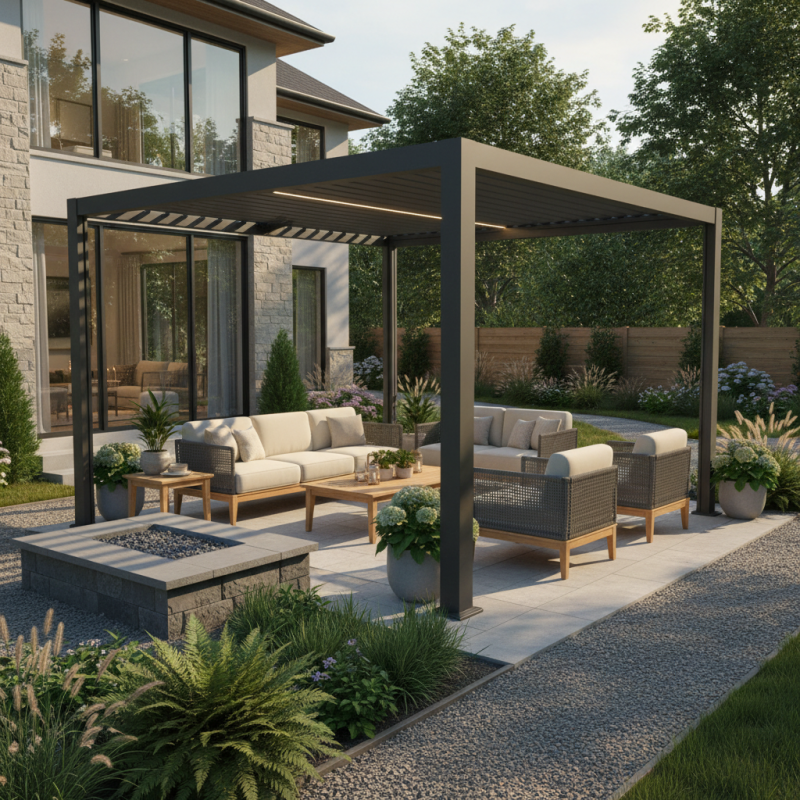
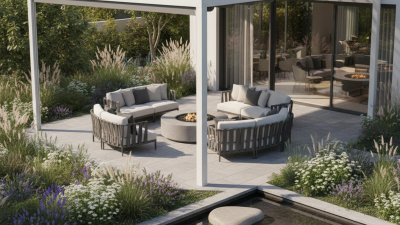
When considering an outdoor upgrade, an Aluminum Pergola can transform your space. This structure offers both style and function. It's crucial to choose the right design that complements your home and garden.
Look for options that suit your needs. An Aluminum Pergola can provide shade and enhance relaxation areas. Consider color, size, and style when making your choice. Visualize how it will fit within your existing landscape.
However, not every design will meet your expectations. There might be issues with installation or durability that need addressing. Reflect on your priorities and how an Aluminum Pergola can align with them. Striking the right balance between aesthetics and practicality can be challenging, but it’s worth the effort.
Understanding the Benefits of Aluminum Pergolas for Outdoor Spaces
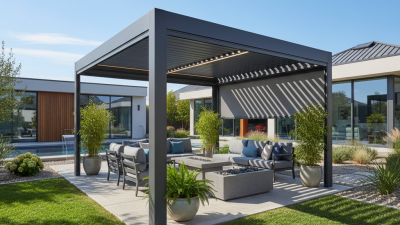
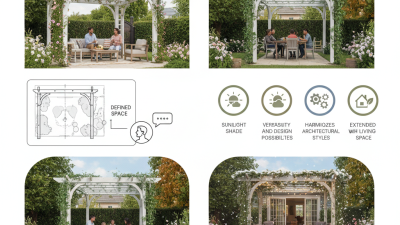
Aluminum pergolas offer numerous advantages for outdoor areas. They are durable, weather-resistant, and require minimal maintenance. Unlike wood, aluminum won't warp or rot over time. This makes them a practical choice for various climates. They can add elegance and functionality to any garden, patio, or balcony.
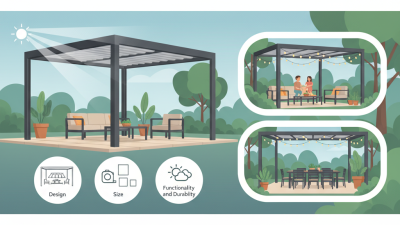
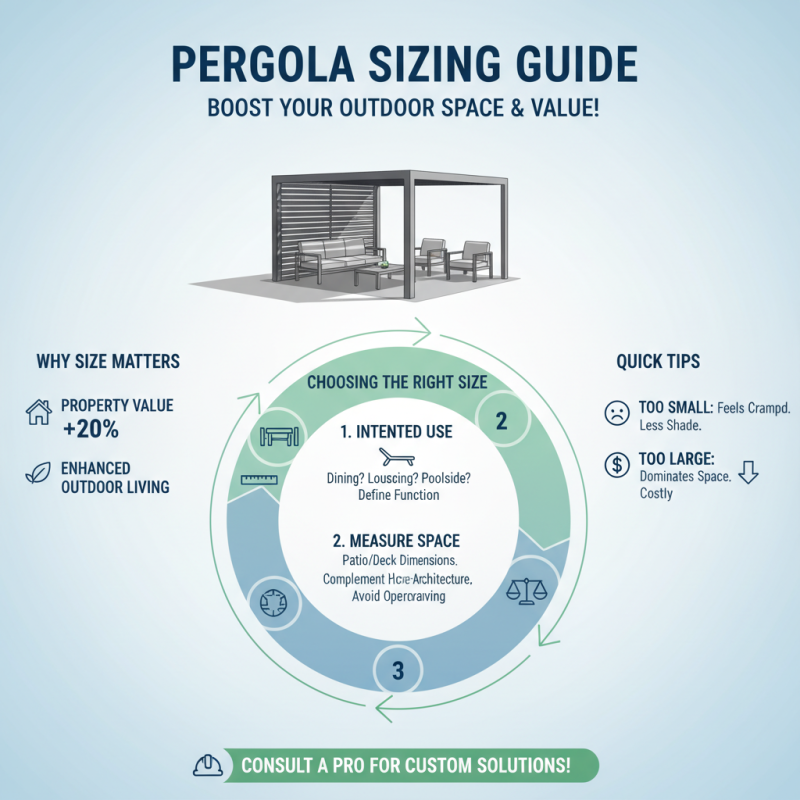
When selecting an aluminum pergola, consider your specific needs. Think about the size of your outdoor space. Measure your area and ensure the pergola fits well. A pergola that is too large can overpower the space. A smaller one may not provide enough shade.
Here are some tips:
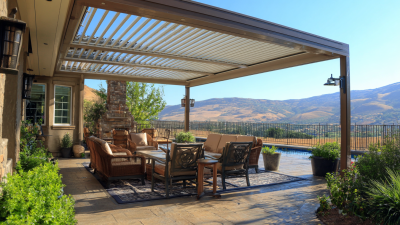
- Choose structures with adjustable louvers. This allows control over sunlight.
- Opt for powder-coated finishes. They resist fading and scratching.
- Think about additional features like lighting or curtains. These can enhance your outdoor experience.
Reflect on how you'll use the pergola. Will it be for relaxation, dining, or entertaining? Understanding your vision can inform your choice. A well-thought-out selection will enhance your experience and contribute to the overall atmosphere of your outdoor space.
Benefits of Aluminum Pergolas for Outdoor Spaces
Selecting the Right Style and Design for Your Outdoor Aesthetic
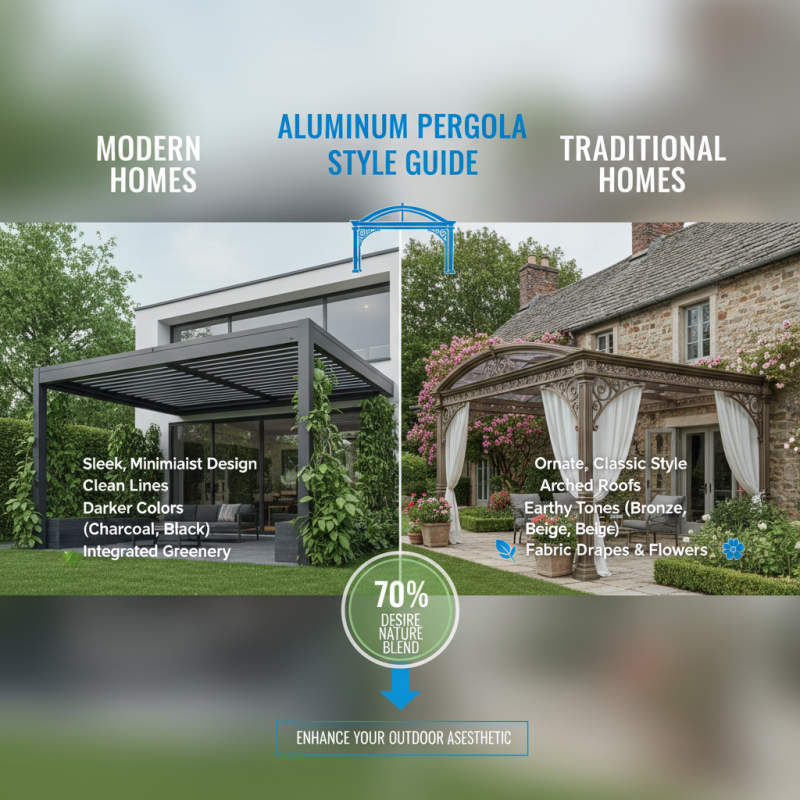
Choosing the right style and design for your aluminum pergola can greatly enhance your outdoor aesthetic. According to recent industry reports, 70% of homeowners desire outdoor spaces that blend seamlessly with nature. This desire has led to innovative designs that cater to various architectural styles. Whether your home is modern or traditional, consider how the pergola will look against your backdrop.
Many designs are available. Sleek, linear structures offer a contemporary vibe, while more ornate styles can add a classic touch. For example, a pergola with intricate lattice work may not suit minimalist environments. It’s essential to choose wisely. A mismatch can disrupt the flow of your outdoor space. Additionally, color plays a crucial role. Neutral tones are popular, but bold hues can make a statement.
Keep in mind that outdoor functionality is key. Reports indicate that shaded areas reduce temperatures by up to 20 degrees Fahrenheit. Still, overexposure to sunlight can fade colors over time. Consider the angle of sunlight throughout the day. Not all pergolas provide adequate coverage. This may cause discomfort on hot days. Reflect on your specific needs when selecting your design. It’s not just about appearance; functionality matters too.
Evaluating Material Quality and Durability in Aluminum Pergolas
When selecting an aluminum pergola, material quality and durability are crucial factors. Aluminum is lightweight and resistant to rust, making it a popular choice. However, not all aluminum is created equal. Look for high-grade aluminum with a powder-coated finish to enhance longevity. This finish protects against scratches and fading over time.
Consider the thickness of the aluminum as well. Thicker materials provide better stability and can withstand harsh weather conditions. Some pergolas offer additional reinforcement, which may be worth exploring. Remember, less expensive options might lead to quicker deterioration. You may save upfront, but you could face higher costs later on.
Always examine the warranty offered with the pergola. A longer warranty often indicates confidence in the product's durability. Additionally, check for testimonials about the material's performance. Sometimes, experiences can reveal what specifications might not. Investing time in these details could save frustration down the line. Don't rush this choice; it’s an important addition to your outdoor space.
Installation and Maintenance Tips for Longevity of Your Pergola
When it comes to aluminum pergolas, proper installation and maintenance are crucial for longevity. According to a survey by the American Society of Landscape Architects, 80% of homeowners cited outdoor structures as a key feature in enhancing garden aesthetics. To ensure your pergola withstands the test of time, begin with a solid foundation. This means installing it on level ground. Uneven surfaces can lead to stress on the structure. Thus, it’s vital to spend time on this initial step.
Regular maintenance is just as important as installation. Cleaning your pergola every few months can prevent dirt accumulation and corrosion. The Aluminum Association reports that untreated aluminum can lose up to 20% of its strength over time due to environmental factors. A simple wash with soap and water, followed by a protective coating, can significantly enhance its lifespan. Not all cleaning agents are safe, though. It's key to avoid abrasive materials that could scratch the surface.
While aluminum pergolas are sturdy, they are not impervious to weather extremes. Frequent inspections after storms are advisable. Check for any warping or discoloration, which can indicate potential issues. If you notice these signs, addressing them quickly can prevent larger problems down the line. Consider that a neglected pergola may suffer early deterioration. Commitment to your outdoor space involves ongoing care, and taking the time for these tasks can make all the difference in enjoying your pergola for years to come.
How to Choose the Perfect Aluminum Pergola for Your Outdoor Space?
| Dimension |
Description |
Maintenance Tips |
Installation Tips |
| Material |
High-quality aluminum that resists rust and corrosion. |
Regularly clean to prevent dirt buildup. |
Ensure a level foundation before installation. |
| Size |
Available in various sizes to fit your outdoor space. |
Condense snow and water accumulation to avoid damage. |
Follow manufacturer's guidelines for measurements. |
| Color |
Variety of colors available to match your aesthetics. |
Repaint if color fades over time. |
Choose a color that reflects heat if in a hot climate. |
| Design |
Modern, traditional, or customizable styles. |
Inspect joints and connections regularly. |
Use proper tools to avoid damaging materials during setup. |
| Accessories |
Options like shade screens and lighting enhance functionality. |
Clean accessories regularly for optimal performance. |
Consider additional support for heavy accessories. |