How to Choose the Best Motorized Roof for Your Home in 2025
As residential architecture continues to evolve, homeowners are increasingly seeking innovative solutions to enhance their living spaces. One such trend gaining momentum in 2025 is the installation of Motorized Roof systems, which not only contribute to aesthetic appeal but also offer functional advantages. According to a report by the International Window and Door Manufacturers Association, the market for motorized roofing solutions is projected to grow by over 15% annually, driven by advancements in smart home technology and sustainable building practices.
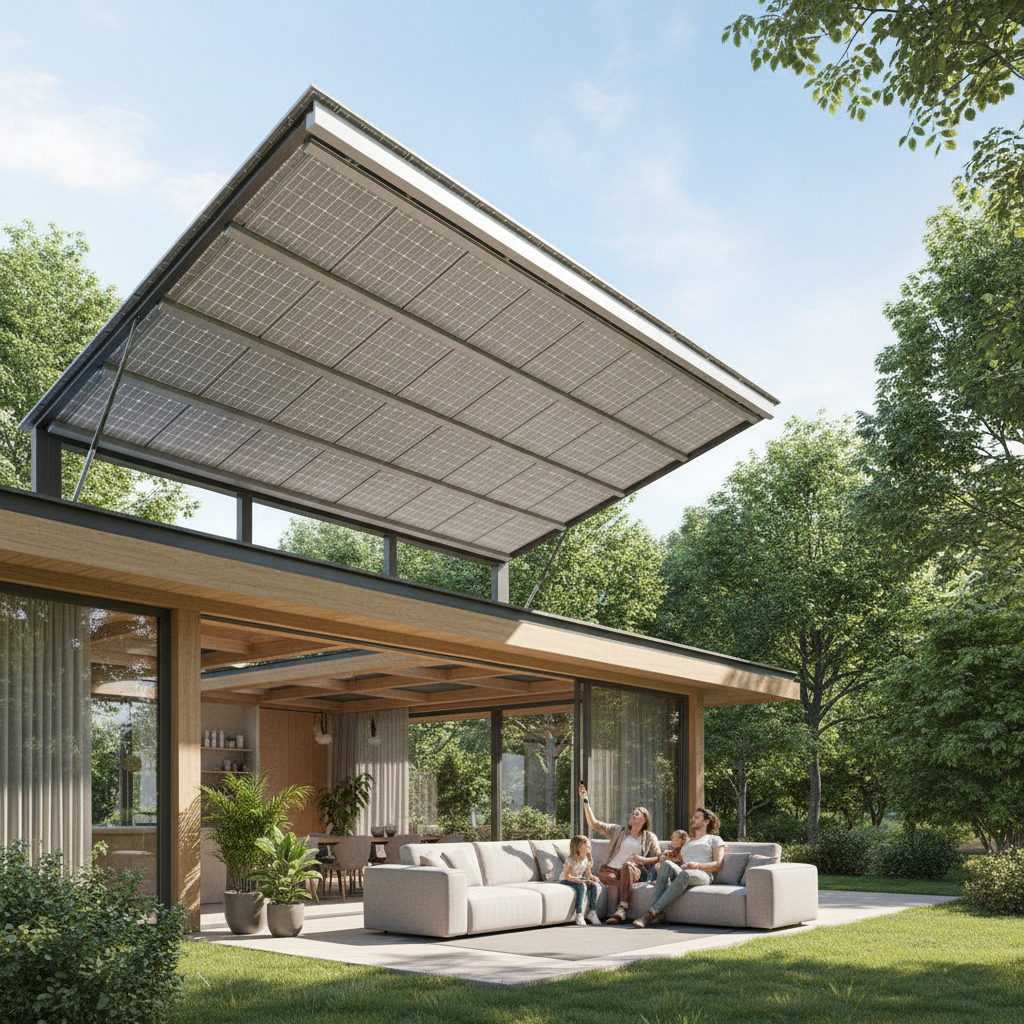
Motorized Roof systems provide a flexible approach to natural light and ventilation control, allowing homeowners to adjust their environments seamlessly. A study by the Global Building Materials Institute highlights that homes equipped with these systems can achieve significant energy savings, reducing reliance on artificial lighting and HVAC systems by up to 30%. As awareness of eco-friendly alternatives continues to rise, the demand for Motorized Roof installations is expected to become a pivotal aspect of home improvement decisions.
In this context, selecting the best Motorized Roof for your home is crucial. With numerous options available in the market, understanding their features, benefits, and potential drawbacks will empower homeowners to make informed choices that enhance their living experience while also contributing to a more sustainable future.
Factors to Consider When Selecting a Motorized Roof for Your Home
When selecting a motorized roof for your home, there are several key factors to consider to ensure you make the best choice for your needs. First, assess the material and construction. Look for options that offer durability and resistance to the elements, which can significantly enhance the longevity of the roof. Additionally, consider the
energy efficiency of the motorized roof. Many modern designs can integrate with solar power systems, allowing for a sustainable energy solution that not only meets your roofing needs but also contributes to energy savings over time.
Tips: Research manufacturers that provide strong warranties and have positive customer reviews. A good warranty is crucial as it reflects the product’s quality and the manufacturer's confidence in their offering. Furthermore, exploring compatibility with existing home systems, such as HVAC or home battery storage, can maximize the overall efficiency and functionality of your motorized roof.
Lastly, think about design and aesthetics. A motorized roof should complement the overall style of your home while providing the necessary functionality, such as adjusting to sunlight and weather conditions. Options that provide smart home integration can add convenience and enhance your living experience. Investing time in selecting the right features can lead to increased quality of life and satisfaction with your home environment.
Comparing Different Types of Motorized Roof Systems Available in 2025
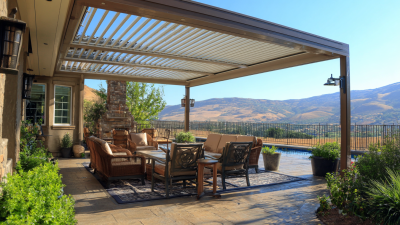
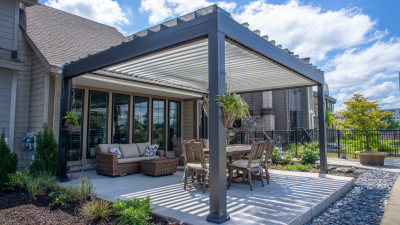
When selecting a motorized roof system for your home in 2025, it’s crucial to compare the various types available to find the perfect fit for your needs. One popular option is the retractable fabric roof, which provides flexibility for outdoor spaces. This system allows homeowners to easily extend or retract the covering depending on the weather, offering both sun protection and ventilation. Modern models come with advanced sensors that automatically adjust based on environmental conditions, ensuring comfort at all times.
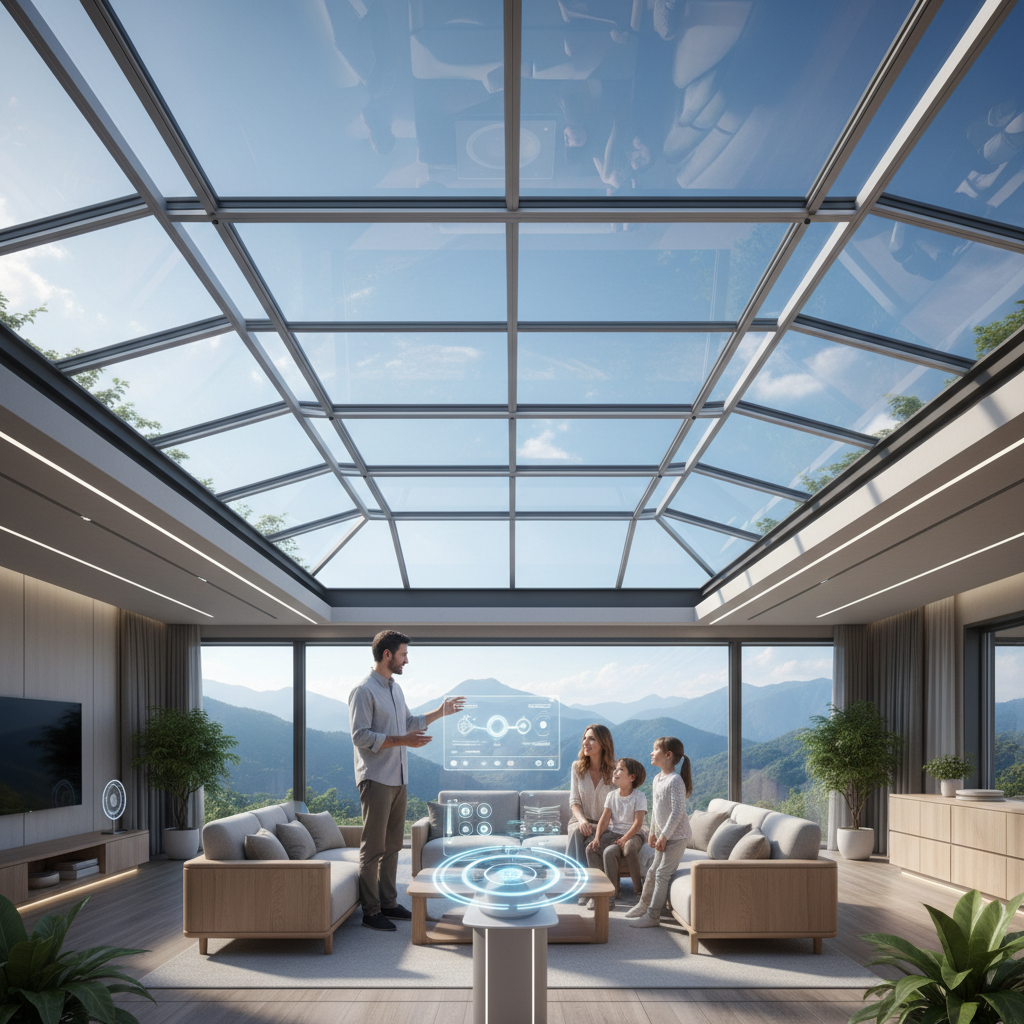
Another option to consider is the motorized glass roof, which enhances aesthetics while providing natural light. These systems use insulated glass panels that can be opened or closed with the push of a button, blending functionality with elegance. Additionally, many models are equipped with smart technology, enabling users to control the roof via mobile apps or voice commands. As energy efficiency becomes increasingly important, look for systems with integrated shading options that can reduce heat gain, making them a sustainable choice for homeowners in 2025.
Comparison of Different Types of Motorized Roof Systems Available in 2025
Energy Efficiency and Sustainability in Motorized Roof Choices
When considering a motorized roof for your home in 2025,
energy efficiency and sustainability should be at the forefront of your decision-making process. According to a
report by the International Energy Agency,
buildings account for nearly 40% of global energy consumption. Incorporating motorized roofs can significantly
reduce this footprint. For example, advanced models equipped with smart sensors can optimize energy use by
adjusting to weather conditions, potentially decreasing heating and cooling costs by up to 30%.
Tips: Look for motorized roof systems that use eco-friendly materials
and have high thermal insulation properties. These features will not only enhance your home's energy efficiency
but also contribute to a more sustainable environment.
Additionally, it's essential to research manufacturers that prioritize renewable energy sources
in their production processes. The The Global Green Building Council notes that homes designed with sustainability
in mind can increase their resale value by as much as 20%. Investing in
motorized roofs that align with these principles ensures that you're not only making a responsible choice but
also enhancing the long-term value of your property.
The Role of Smart Technology in Modern Motorized Roofing Solutions
In 2025, choosing the best motorized roof for your home is significantly influenced by the integration of smart technology. According to a report by MarketsandMarkets, the smart roofs market is projected to reach USD 15.6 billion by 2026, evidencing the rapid adoption of technology in building solutions. Modern motorized roofing systems now come equipped with sensors and automation features that allow homeowners to control light, temperature, and ventilation with the tap of a button or through integrated home automation systems.
One key aspect of smart technology in motorized roofing is its contribution to energy efficiency. A study from the National Renewable Energy Laboratory (NREL) indicates that automated roof systems can reduce energy consumption by up to 20% in residential buildings. These systems can intelligently adjust based on weather conditions, ensuring optimal insulation and reducing the need for heating and cooling. As smart home ecosystems become more interconnected, seamless integration with devices such as smart thermostats and environmental sensors will further enhance the functionality of motorized roofs, making them a smart investment for the eco-conscious homeowner.
Maintenance and Durability: Ensuring Longevity of Your Motorized Roof
When considering the longevity of your motorized roof, maintenance plays a crucial role. According to the National Roofing Contractors Association, regular inspections—ideally twice a year—can extend the lifespan of roof systems by 30% or more. These inspections should focus on identifying wear and tear, ensuring that mechanical components, such as motors and remote systems, are functioning correctly. Simple maintenance tasks, like cleaning gutters and removing debris, can also prevent water damage and corrosion, which are common issues that can lead to costly repairs.
Durability is another vital factor in the selection of a motorized roof. Recent market studies indicate that roofs made from high-grade materials, such as aluminum and polycarbonate, can withstand severe weather conditions better than standard options. For instance, roofs constructed with engineered materials are reported to have a lifespan of 20-30 years, significantly outpacing traditional roofing materials, which may only last 10-15 years. Investing in a motorized roof with a robust build and a reliable warranty can ultimately save homeowners from frequent repairs and replacements, making it a smart long-term investment.