What is an Aluminum Pergola? Benefits, Designs, and Installation Guide
In recent years, the popularity of outdoor living spaces has surged, prompting homeowners to explore innovative ways to enhance their outdoor environments. Among these solutions, the Aluminum Pergola has emerged as a favored choice due to its combination of durability, aesthetic versatility, and low maintenance. According to industry reports, the demand for aluminum structures in landscaping has increased significantly, with a forecasted growth rate of over 6% annually in the coming years. This trend highlights the shift towards long-lasting materials that provide both functionality and style.
Aluminum Pergolas stand out not just for their resilience against weather elements but also for their customizable designs that can complement various architectural styles. A recent survey indicated that nearly 70% of homeowners consider incorporating such structures into their patios or gardens, showcasing a growing inclination towards enhancing outdoor aesthetics through practical installations. Furthermore, the energy efficiency of aluminum, particularly its ability to reflect heat, makes it an appealing option for those looking to reduce cooling costs during the warmer months.
This guide will provide insights into the benefits, designs, and installation processes of Aluminum Pergolas to assist homeowners in making informed decisions. By exploring these aspects, individuals can better appreciate how this outdoor feature can transform their living spaces into comfortable, stylish retreats.
Definition of Aluminum Pergola and Its Key Features
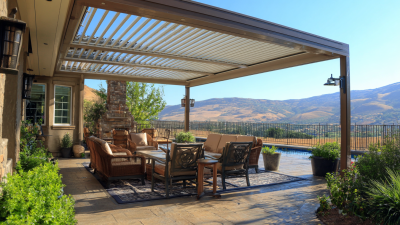
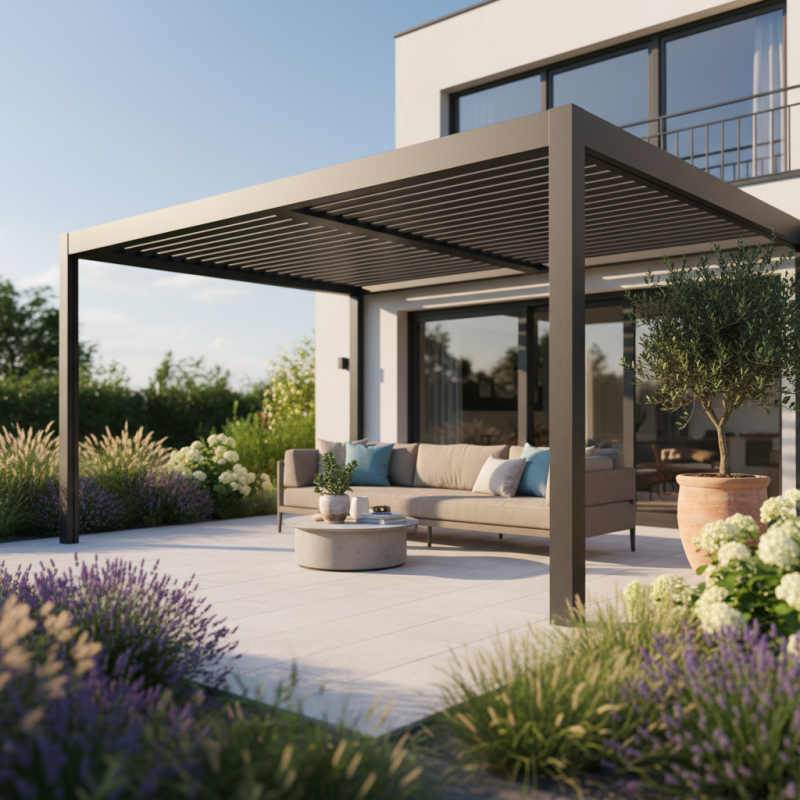
An aluminum pergola is a stylish outdoor structure designed to provide partial shelter while enhancing the aesthetic appeal of any outdoor space. Defined primarily by its framework constructed from aluminum, this type of pergola combines durability with a lightweight profile. Unlike traditional wood options, aluminum pergolas are resistant to rot, insects, and extreme weather conditions, making them a long-lasting choice for homeowners seeking a blend of functionality and design.
Key features of aluminum pergolas include versatility in design and low maintenance requirements. They come in a variety of styles, colors, and finishes, allowing homeowners to customize their outdoor space according to personal taste and architectural style. Additionally, aluminum pergolas can be easily integrated with other outdoor elements, such as lighting and privacy screens. Their powder-coated finishes ensure that they maintain their appearance over time, requiring only occasional cleaning to preserve their luster. Overall, aluminum pergolas provide an effective solution for enhancing outdoor living areas while offering protection and comfort.
Advantages of Installing an Aluminum Pergola in Your Outdoor Space
Aluminum pergolas are becoming increasingly popular in outdoor design due to their numerous advantages, making them an excellent addition to any backyard or garden space. One of the primary benefits is their durability; unlike wooden structures that can warp, rot, or require frequent maintenance, aluminum pergolas are resistant to the elements and can withstand harsh weather conditions. According to a report from the American Society of Landscape Architects, structures like pergolas can increase property value by up to 15%. This improvement is attributed not only to their aesthetic appeal but also to their functionality in enhancing outdoor living spaces.
Moreover, aluminum pergolas offer flexibility in design and functionality. With customizable options that include various colors, finishes, and styles, homeowners can find a perfect match for their aesthetics. A study published by the National Association of Home Builders indicates that outdoor living spaces are among the most sought-after features by homebuyers, with pergolas being noted for their ability to create shaded areas, making outdoor living more comfortable. This adaptability ensures that, whether for hosting gatherings or simply enjoying a quiet moment outdoors, an aluminum pergola can elevate the entire experience.
Benefits of Installing an Aluminum Pergola
Popular Designs and Styles of Aluminum Pergolas for Homes
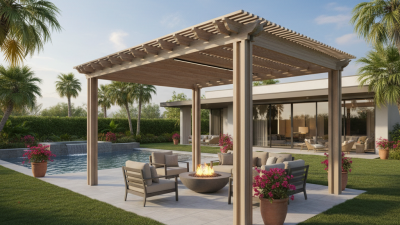
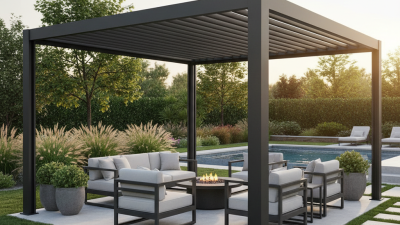
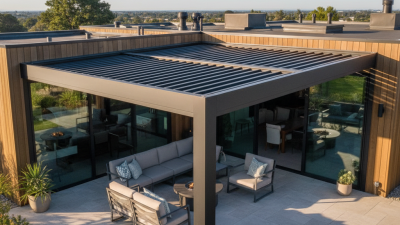
When considering the perfect addition to your outdoor space, aluminum pergolas offer a blend of functionality and aesthetic appeal. Popular designs often include the classic freestanding pergola, which stands independently in the garden or backyard, creating a focal point for gatherings. This design allows for flexibility in placement, making it ideal for various landscaping layouts. Another favored style is the attached pergola, which enhances existing structures like patios or decks, providing a seamless transition from indoor to outdoor living.
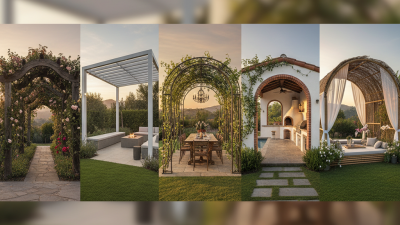
In terms of aesthetics, modern aluminum pergolas come in a variety of styles, including contemporary geometric patterns and traditional slatted designs. Homeowners frequently opt for customizable options that allow for personal touches, such as integrated lighting or retractable canopies for adjustable shade. This versatility enables individuals to tailor their pergola to complement their home’s architectural style, whether it’s sleek and modern or classic and rustic. The combination of style and utility makes aluminum pergolas a sought-after feature for enhancing outdoor living spaces.
Step-by-Step Installation Process for Aluminum Pergolas
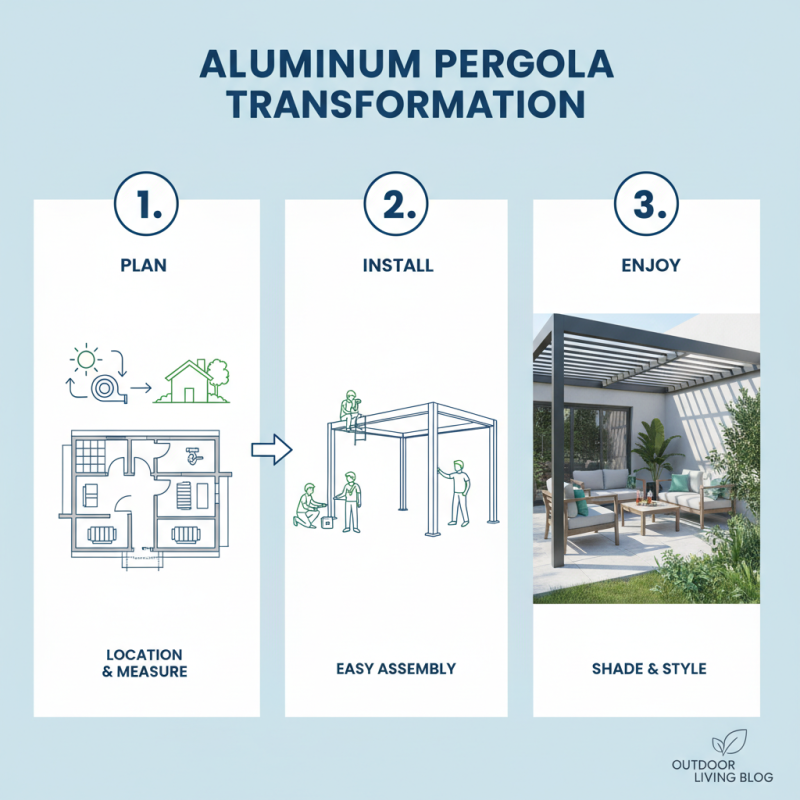
Installing an aluminum pergola can transform your outdoor space, providing both aesthetic appeal and functional shade. The installation process is straightforward, but it requires careful planning and execution. Begin by selecting the ideal location for your pergola, considering the amount of sun exposure and how it will fit with your existing landscape. Measure the area accurately to ensure that the dimensions of the pergola complement your outdoor environment.
Once you have your location set, prepare the ground by clearing any debris and leveling the surface if necessary. Next, gather the required tools and materials, including the aluminum sections of your pergola, anchors, and fasteners. Follow the manufacturer's instructions for assembling the structure, starting with the support posts. Secure each post with concrete for stability, allowing adequate curing time. After the base is secure, attach the horizontal beams and any decorative elements, ensuring everything is level and properly aligned. Finally, add any additional features such as lighting or climbing plants to enhance your pergola and make it a perfect spot for relaxation or entertainment.
Maintenance Tips for Ensuring Longevity of Aluminum Pergolas
Maintaining an aluminum pergola is essential for ensuring its longevity and aesthetic appeal. Aluminum is naturally resistant to rust and corrosion, making it a popular choice for outdoor structures. According to a report by the Aluminum Association, aluminum structures can last upwards of 50 years when properly maintained. This resilience not only highlights the durability of aluminum but also emphasizes the importance of regular maintenance to prevent dirt accumulation and potential discoloration over time.
To maintain the beauty and functionality of an aluminum pergola, it is advised to clean it periodically using a mild detergent and water. This should ideally be done at least twice a year. A soft brush or sponge should be used to gently scrub surfaces, particularly in areas that are prone to grime buildup or are shaded and damp. For those living in coastal areas, more frequent cleaning may be necessary to remove salt residues that can cause deterioration. Additionally, inspecting for any signs of wear or damage regularly can help catch issues early, prolonging the lifespan of the pergola and preventing costly repairs. Following these maintenance tips can ensure your aluminum pergola remains a stunning feature of your outdoor space for many years.