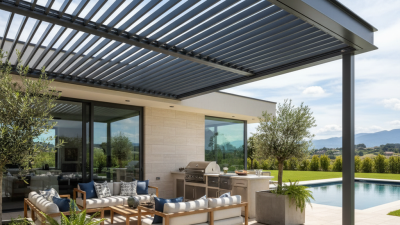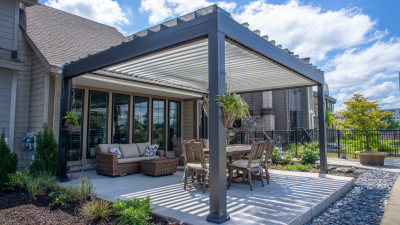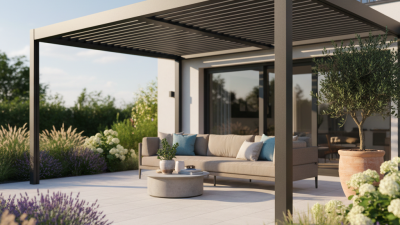
As we look ahead to 2026, the outdoor living experience is evolving. Patio gazebos are at the forefront of this transformation. They offer a perfect blend of style and function, enhancing gardens and backyards. These structures provide shade and shelter, creating an inviting space for gatherings.
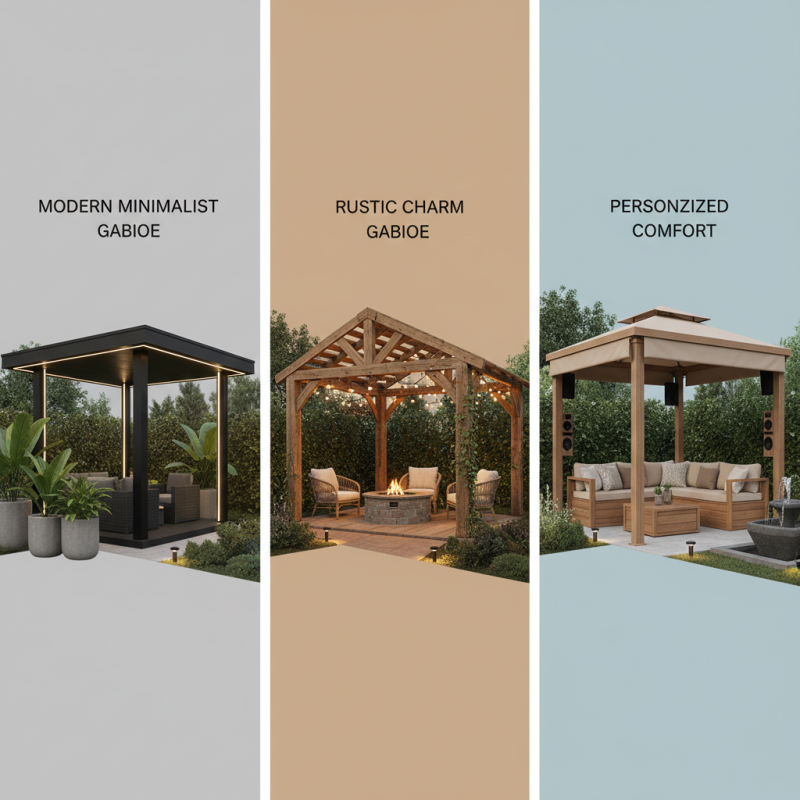
This year, we see a surge of innovative designs that cater to diverse tastes. From modern minimalist looks to rustic charm, patio gazebos are becoming more tailored. People are seeking personalization, wanting their outdoor areas to reflect their unique styles. Features like built-in lighting and weather-resistant materials are gaining popularity, emphasizing comfort and durability.
Yet, with so many trends emerging, it’s hard to choose the right one. Some designs may not suit every environment. The wrong choice can lead to a cluttered or mismatched space. Reflecting on personal needs and aesthetics is essential. This article dives into the top patio gazebo trends you need to know for 2026. Let’s explore how to make your outdoor space both functional and beautiful.
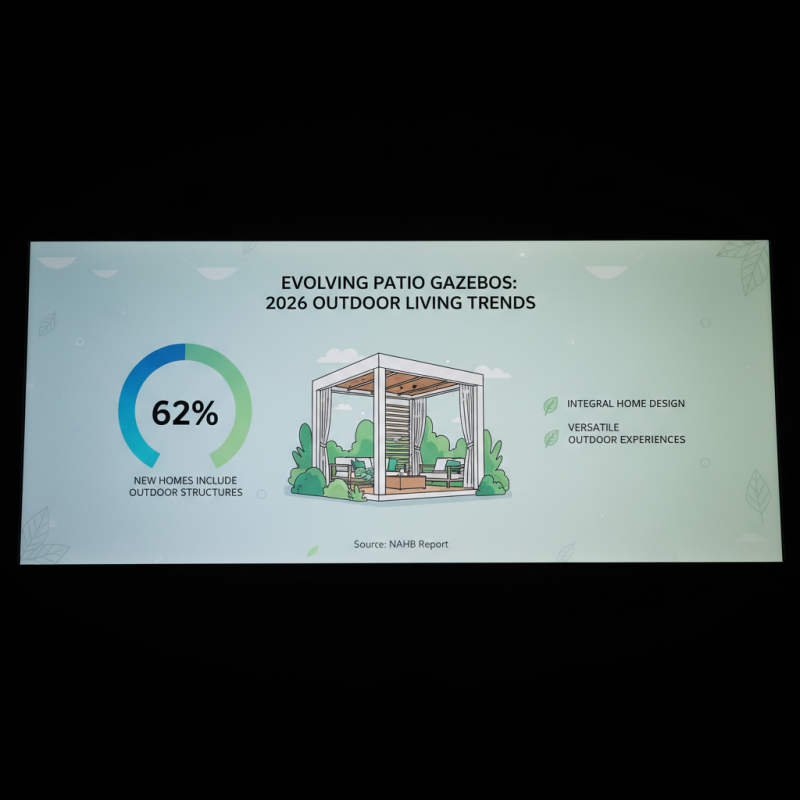
The patio gazebo landscape is evolving in 2026. Recent studies show that outdoor living spaces are becoming more integral to home design. According to a report by the National Association of Home Builders, up to 62% of new homes include outdoor structures like gazebos. This trend reflects a growing desire for versatile outdoor experiences.
Geometric shapes are gaining traction. Many homeowners are opting for modern, angular designs over traditional styles. These clean lines can create an inviting space without overwhelming the yard. However, the shift to minimalist aesthetics sometimes overlooks functional aspects. Some designs lack sufficient shade or wind protection, leading to discomfort during hot days.
Biophilic design is also on the rise. Incorporating natural elements like wood and stone can create a harmonious outdoor atmosphere. About 47% of consumers prefer natural finishes. Yet, achieving this balance isn't straightforward. Many people struggle with maintenance and durability of natural materials. This can lead to frustration and costly repairs down the line. The key is finding the right materials that complement personal style and withstand the elements.
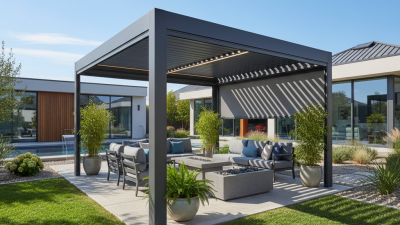
As we approach 2026, the trend in patio gazebos emphasizes the use of sustainable materials. Eco-friendly choices are becoming increasingly popular among homeowners. According to a recent industry report, over 45% of consumers consider sustainability when investing in outdoor structures.
Wood remains a favorite, but responsibly sourced timber is essential. Look for certifications like FSC, which ensures proper forest management. Recycled aluminum is another great option. It’s lightweight and durable, with a minimal environmental footprint. Many new designs incorporate bamboo. This fast-growing plant requires little water and enhances strength.
Tip: Always ask about material origins. Knowing where and how materials are sourced can make a significant difference to your gazebo's environmental impact.
Additionally, fabric choices matter. Many producers are now using recycled materials for covers and drapes. This not only reduces waste but also provides stylish options. Consider UV-resistant fabrics made from sustainable fibers for longer-lasting use.
Tip: Evaluate the lifecycle of your materials. Sustainable doesn't just mean eco-friendly; it means longevity too. Opting for durable solutions can lead to fewer replacements over time, reducing resource use.
When it comes to patio gazebos in 2026, color palettes play a crucial role. This year, earthy tones dominate the scene. Shades of green, brown, and beige create a natural look. These colors blend well with outdoor surroundings. They help harmonize your space, inviting relaxation and comfort.
Another trend is the use of bold colors. Deep blues and vibrant reds can make a statement. These hues add personality to your patio. They create a striking contrast against greenery. However, one must be cautious; too many bold colors may overwhelm the area. Finding balance is key.
Lastly, neutrals remain timeless. Soft grays and whites provide a classic touch. They allow flexibility in decoration. Pairing neutral colors with bright accessories can enhance the ambiance. Yet, one might question: do neutrals lack warmth? It’s essential to reflect on your personal style here. Choosing perfect colors can be challenging but rewarding.
As patio gazebos evolve, innovative features shape their design for 2026. Smart technology is at the forefront. Many models now offer built-in solar panels. This allows for eco-friendly lighting. Energy efficiency is becoming more vital. Recent industry reports indicate that 45% of consumers prioritize sustainable outdoor solutions.
In addition, integrated heating systems are gaining popularity. These systems provide warmth during cooler evenings. They add comfort to outdoor spaces. Wireless control systems are also trending. Users can adjust lighting and heating via smartphone apps. Such convenience enhances user experience. However, not all consumers are tech-savvy. Some users feel overwhelmed by these advancements.
Moreover, customizable features are on the rise. Modular designs allow for personal touches. Consumers enjoy choices in colors, shapes, and materials. This personalization can lead to analysis paralysis. What style truly fits one's outdoor area? Balancing aesthetics and functionality remains a challenge. Reports suggest that 60% of buyers want versatility but fear poor long-term value. These factors complicate the decision-making process.
| Trend | Description | Innovative Features | Technology | Material |
|---|---|---|---|---|
| Smart Integration | Integration with smart home devices for enhanced control. | Smart lighting, temperature control, and remote access. | IoT technology, mobile app connectivity. | Aluminum and tempered glass. |
| Eco-Friendly Designs | Use of sustainable materials and energy-efficient technologies. | Solar panels, rainwater collection systems. | Green technology innovations. | Recycled metal and wood composites. |
| Modular Designs | Flexible configurations that can be customized for various spaces. | Interchangeable panels and layouts. | 3D printing and modular assembly techniques. | High-density polyethylene or fiberglass. |
| Weather-Resistant Features | Designs that withstand harsh weather conditions. | UV protection, wind resistance, and rain drainage systems. | Advanced weatherproofing technology. | Composite wood and PVC. |
| Outdoor Living Spaces | Integration of patios and gazebos to create inclusive outdoor areas. | Built-in seating, kitchens, and fire pits. | Smart electrical systems for outdoor appliances. | Natural stone and recycled aluminum. |
Choosing the right patio gazebo can transform your outdoor space dramatically. Consider size and style when selecting a gazebo. Reports indicate that 70% of homeowners prioritize functionality over aesthetics. It's essential to align the design with your outdoor activities. If you have a small yard, a compact gazebo works best. For larger spaces, a spacious structure can serve as an entertaining hub.
Material also plays a crucial role. Wood offers a natural look but may require more maintenance. Metal gazebos are more durable but might lack in warmth. Research shows that 60% of people prefer materials that balance beauty and longevity. Don’t neglect the foundation; a sturdy base prevents issues like tilting or instability.
Furthermore, think about additional features. Screens for privacy and ventilation are popular. Lighting options enhance ambiance during evening gatherings. Yet, some overlook the environmental impact of materials and energy consumption in production. Reflecting on these factors can lead to a more responsible choice.