2026 Best Louver Shading Options for Global Buyers to Consider
As the demand for energy-efficient design grows, louver shading has emerged as a popular solution. These systems are essential for enhancing natural ventilation and reducing cooling costs. Global buyers now face an array of options to consider in 2026.
Louver shading allows architects and builders to optimize light and airflow in diverse climates. However, selecting the best type requires careful evaluation. Each option comes with unique benefits and potential drawbacks. For example, some materials may excel in durability but lag behind in aesthetic appeal.
Understanding these nuances is crucial. Buyers must reflect on their specific needs and preferences. It’s not solely about functionality; design plays a key role too. Ultimately, the choices made today can significantly impact comfort and energy efficiency tomorrow.
Overview of Louver Shading Systems for Modern Architecture
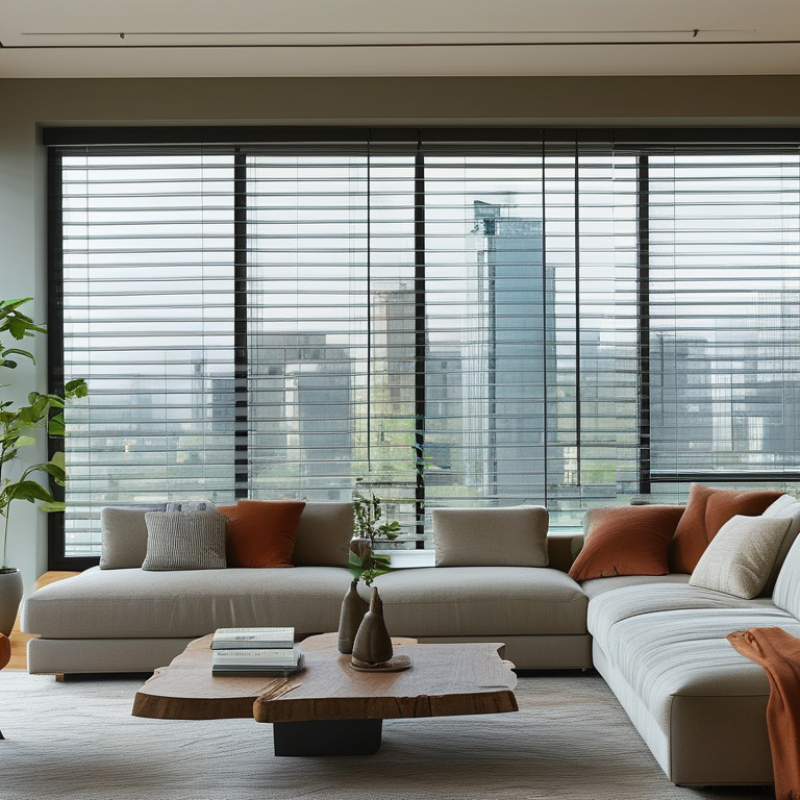
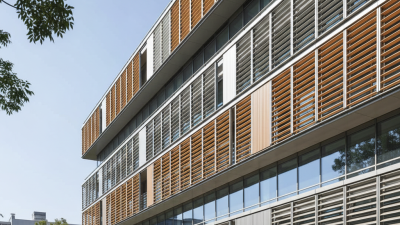
In modern architecture, louver shading systems offer innovative solutions for light control and energy efficiency. These systems use adjustable slats to direct sunlight, reducing glare while maintaining natural light indoors. They are pivotal in creating comfortable living spaces and enhancing the aesthetic appeal of buildings. Designers appreciate their versatility, as they can complement various architectural styles.
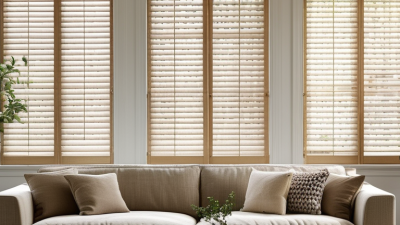
Louver systems can be constructed from different materials, including aluminum and wood. Each material brings its own unique characteristics and durability. An important consideration is the local climate; certain materials may perform better in specific conditions. However, some designers find the maintenance of wood systems challenging over time. Additionally, while louver systems are effective, they may not suit every building, particularly in areas with extreme weather conditions.
The integration of technology has further enhanced louver shading options. Automated systems can adjust according to sunlight, optimizing energy savings. Though this advancement is commendable, the initial investment can deter some buyers. Reflecting critically on these systems can lead to better choices that align with aesthetic goals and functional needs.
Types of Louver Shading: Materials and Designs to Explore
Louver shading options are gaining popularity among global buyers. Understanding the types of materials and designs is essential for making informed choices. According to a recent industry report, the market for louver shading systems is expected to reach $3 billion by 2026. This growth reflects the increasing need for energy-efficient building designs.
When exploring louver shading, materials matter. Aluminum is lightweight and resistant to corrosion. It’s perfect for outdoor use but can get hot under direct sunlight. Wood offers a natural aesthetic, but it requires more maintenance. Fading and warping are common concerns. Furthermore, vinyl has been a popular choice. It mimics wood but demands less upkeep. Each material possesses distinct qualities, affecting durability and cost.
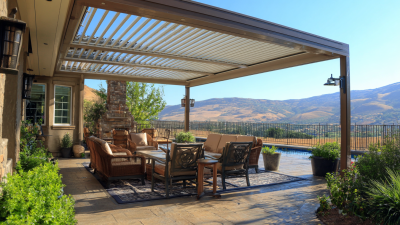
Design also plays a crucial role in functionality. Adjustable louver systems provide flexibility, allowing users to control light and ventilation. Fixed systems are ideal for low-maintenance projects but may not offer the same level of light regulation. Effective shading depends on the installation angle and orientation, which affects solar heat gain. Remember, the perfect louver solution varies with individual needs. There is no one-size-fits-all answer.
Benefits of Louver Shading in Energy Efficiency and Comfort
Louver shading systems are increasingly recognized for their energy efficiency and comfort advantages. By allowing natural light while blocking direct sunlight, they help maintain a pleasant indoor environment. In warmer months, this design reduces the need for air conditioning, fostering a cooler atmosphere.
One major benefit of louver shading is its ability to regulate temperature. It minimizes heat buildup by controlling sunlight exposure. This can lead to significant energy savings over time. Imagine sitting in a well-lit room, free from glare, while the temperature remains stable. Personalized comfort becomes an integral part of your living space.
However, not all louver systems work equally for every situation. Some may not provide adequate shading at certain angles of the sun. It’s essential to assess your specific needs, understanding how architectural design influences shading effectiveness. Investing time in research and configuration is crucial for optimal performance. Finding the right balance between aesthetics and functionality can be challenging but rewarding.
2026 Best Louver Shading Options for Global Buyers to Consider
| Louver Type |
Material |
Energy Efficiency Rating |
UV Protection (%) |
Comfort Level |
| Horizontal Louvers |
Aluminum |
A+ |
95% |
High |
| Vertical Louvers |
Wood |
A |
85% |
Medium |
| Retractable Louvers |
PVC |
B+ |
90% |
High |
| Adjustable Louvers |
Composite |
A++ |
80% |
Very High |
Key Considerations for Selecting Louver Shading Solutions
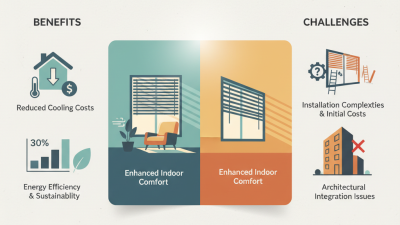
When selecting louver shading solutions, several key considerations come into play. Understanding local climate conditions is vital. Regions with high sunlight exposure may benefit from adjustable louvers. These allow users to control light intensity and heat gain, enhancing energy efficiency. According to a 2022 report by the International Energy Agency, proper shading can reduce energy costs by up to 30%.
Material choice is equally important. Options include aluminum, wood, or composite materials. Aluminum louvers offer durability and minimal maintenance. However, wood provides a natural aesthetic but may require regular upkeep. A recent study indicated that over 50% of property owners prefer wood due to its aesthetic appeal, despite its higher maintenance needs.
Design flexibility must also be addressed. Customization can enhance both functionality and appearance. However, complex designs may lead to higher costs. Balancing aesthetics, efficiency, and budget is crucial. A poorly planned shading solution might hinder functionality, leading to dissatisfaction. Exploring various design options can help make a more informed choice.
Global Trends in Louver Shading for Sustainable Living
Louver shading is gaining traction in sustainable architecture. These systems allow for natural light while controlling heat. According to the Global Market Insights report, louvered systems can reduce energy costs by up to 30%. This reduction is crucial as energy demands rise globally.
As urban areas expand, sustainability becomes paramount. The World Green Building Council states that buildings account for nearly 40% of global energy use. Implementing louver shading can significantly mitigate this impact. Properly designed louver systems can achieve optimal daylighting while reducing reliance on artificial lighting.
While the benefits are clear, some challenges remain. Many buyers lack access to quality information about louver options. This gap can lead to inefficient installations. Educating stakeholders is essential for maximizing the potential of louver shading. By focusing on informed choices, we can enhance building energy efficiency and foster a more sustainable future.
2026 Best Louver Shading Options for Sustainable Living