2026 How to Choose the Best Adjustable Louvered Roof?
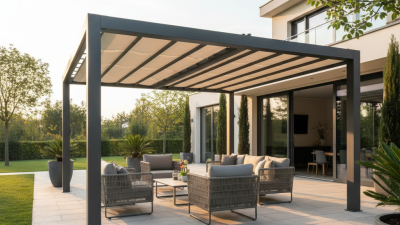
When considering an **Adjustable Louvered Roof**, many factors must guide your decision. These roofs are increasingly popular for outdoor spaces. They provide versatility in adjusting light and air. Choosing the right one isn’t easy. You need to focus on materials, design, and functionality.
The first step is to assess your needs. Think about your climate and intended use. Some roofs offer enhanced durability for harsh weather. Others may be designed for aesthetic appeal. Researching various options is crucial. You want a roof that fits your lifestyle while ensuring comfort.
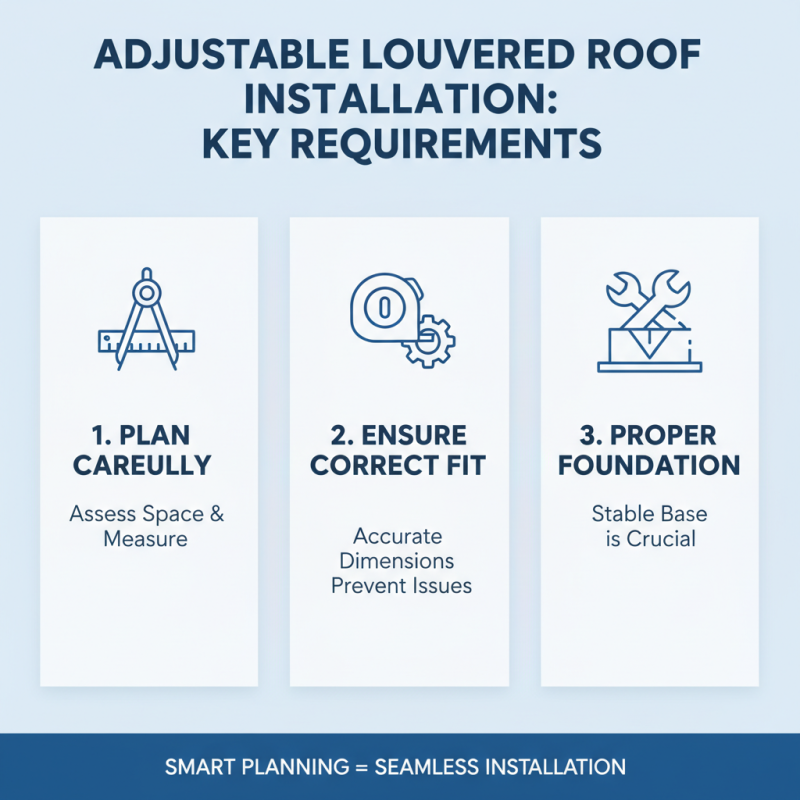
Finally, consider installation and maintenance. A quality **Adjustable Louvered Roof** should provide long-term satisfaction. Look for reputable manufacturers with professional support. Remember, this is an investment in your property. Make a decision that reflects your personal and functional requirements. The right choice can transform your outdoor experience, but take your time to reflect on all aspects before committing.
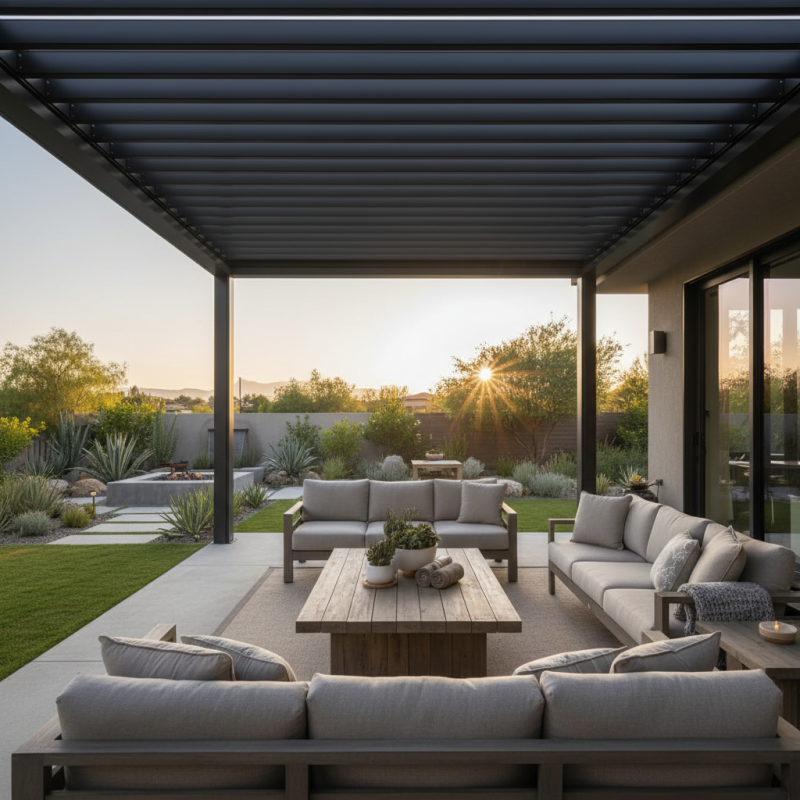
Understanding Adjustable Louvered Roof Systems and Their Benefits
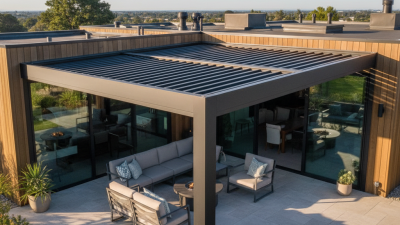
Adjustable louvered roofs are gaining popularity for both residential and commercial applications. These systems provide flexibility in light and shade control.
According to a recent study by the National Roofing Contractors Association, adjustable roof systems can reduce energy costs by up to 30% in certain climates.
This energy efficiency is a significant benefit that attracts many homeowners and businesses.
The design of adjustable louvered roofs allows you to customize environment conditions. You can open or close the louvers to regulate sunlight and airflow.
This feature enhances outdoor comfort during different seasons. It creates a pleasant atmosphere for relaxation or gatherings.
Many users report an increase in outdoor usage thanks to this comfort.
Tip: Regular maintenance is essential for optimal performance. Ensure the louvers operate smoothly by checking for debris.
Pay attention to moving parts, as wear can affect function.
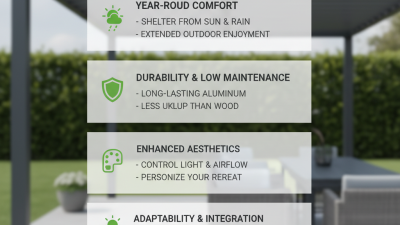
Another important aspect is durability. Properly installed systems can withstand harsh weather, and many are resistant to rust or rot.
However, not all materials are created equal. Research is crucial to find a system that balances longevity with your budget.
Tip: Look for systems backed by robust warranties. This often indicates manufacturer confidence in their products.
Taking time to evaluate options will lead to better long-term satisfaction.
Key Factors to Consider When Choosing an Adjustable Louvered Roof
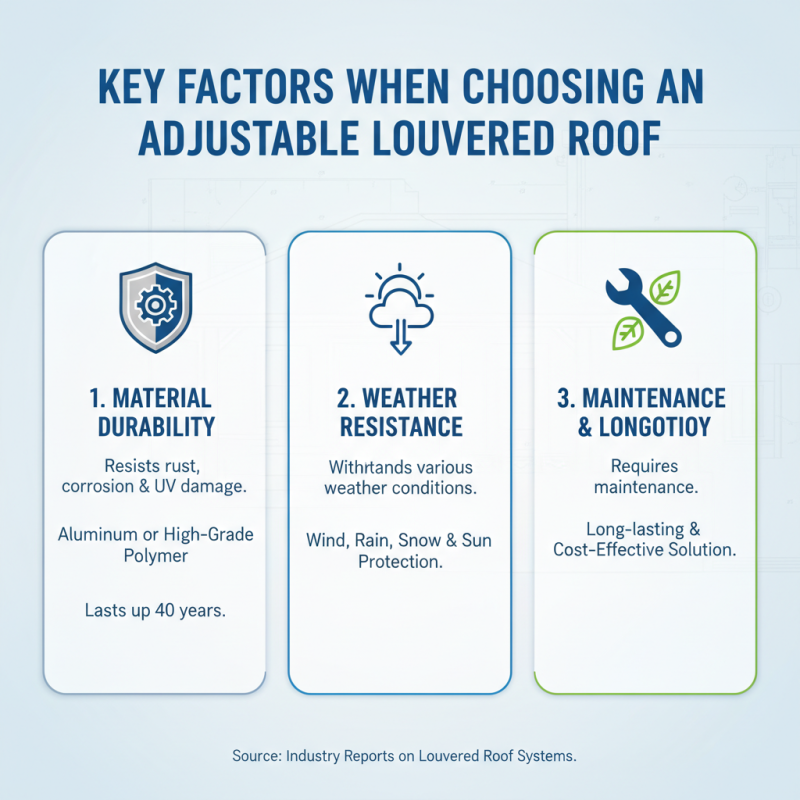
When selecting an adjustable louvered roof, several key factors require careful consideration. The first factor is material durability. A roof that withstands various weather conditions is vital. According to industry reports, roofs made from aluminum or high-grade polymer offer excellent resistance to rust, corrosion, and UV damage. These materials can last up to 40 years with proper maintenance, making them a practical choice.
Another critical aspect to examine is the roof's adjustability. The most effective systems provide user-friendly mechanisms for tilting and retracting louvers. Some advanced models incorporate smart technology, allowing for remote adjustments. In 2022, nearly 60% of homeowners who installed adjustable roofs emphasized the importance of ease of operation.
Aesthetic appeal is also significant. The roof should complement the architectural style of your home or outdoor space. Various color options and finishes are available. Choosing a design that enhances your property's visual impact is essential, though it can be challenging to find the perfect match. Ultimately, making an informed choice requires balancing functionality, durability, and aesthetics to successfully meet your outdoor needs.
Material Options for Adjustable Louvered Roofs: Pros and Cons
When selecting materials for adjustable louvered roofs, consider each option's strengths and weaknesses. Aluminum is lightweight and resistant to rust, making it a popular choice. It can withstand harsh weather, but it may not offer the insulation some homeowners seek. Steel, while sturdy, can be heavy and susceptible to corrosion if not properly treated.
Wood is a beautiful alternative, providing warmth and aesthetic appeal. However, it requires frequent maintenance to prevent rot and warping. Consider using treated wood for enhanced durability. On the other hand, PVC makes for a low-maintenance choice, yet it might lack the visual character of natural materials.
Tips for choosing the right material: think about the climate in your area. A material’s durability can vary with weather conditions. Evaluate how much upkeep you’re willing to undertake. It’s crucial to balance appearance with functionality. Lastly, consult professionals for insights tailored to your specific needs. Their expertise can guide you towards a material that truly fits your project.
Material Options for Adjustable Louvered Roofs: Pros and Cons
Maintenance Tips for Maximizing the Lifespan of Your Louvered Roof
When it comes to maintaining an adjustable louvered roof, regular upkeep is crucial to ensure longevity. According to a report by the National Roofing Contractors Association, timely maintenance can increase the lifespan of roofing systems by up to 30%. This includes inspecting for debris, checking seals, and monitoring for any signs of wear.
Regularly cleaning the louvers is essential. Accumulated dirt can hinder their functionality. A soft brush and mild soap can effectively remove grime without damaging the finish. Additionally, consider applying a protective coating every few years. This might seem unnecessary but can prevent rust and corrosion, significantly extending roof life.
Watch for loose components. If bolts or fasteners are compromised, they need immediate attention. Neglecting these issues could lead to costly repairs. Remember, proactive measures are often more effective than reactive ones. Keeping a maintenance log can help track inspections and repairs efficiently, ensuring you catch issues before they escalate.
2026 How to Choose the Best Adjustable Louvered Roof? - Maintenance Tips for Maximizing the Lifespan of Your Louvered Roof
| Feature |
Importance |
Maintenance Tips |
Expected Lifespan (Years) |
| Material Quality |
High |
Regular cleaning and inspections |
25 |
| Installation Quality |
Very High |
Hire professional installers |
20 |
| Design Versatility |
Medium |
Ensure compatibility with surroundings |
15 |
| User Control Options |
High |
Test and maintain control mechanisms |
18 |
| Weather Resistance |
Very High |
Inspect seals and drainage regularly |
30 |